Skip to content
Technology How it works Breeder — Hyperion Burner — Aegis Burner — MetroVolt AI-Native Architecture Magnets Fuel cycle Safety Roadmap
Solutions AI & Data Centers Defense & Government Grid & Baseload Neutron Detection Quantum
Learn Technical Library
Proof Publications Whitepapers Technical Library Open Science & Reproducibility The Honest Gates
Company About / Mission Leadership Environment Health & Safety Investors Careers Press Contact
3D Model
Technical LibraryQuestions & Honest Answers
Question
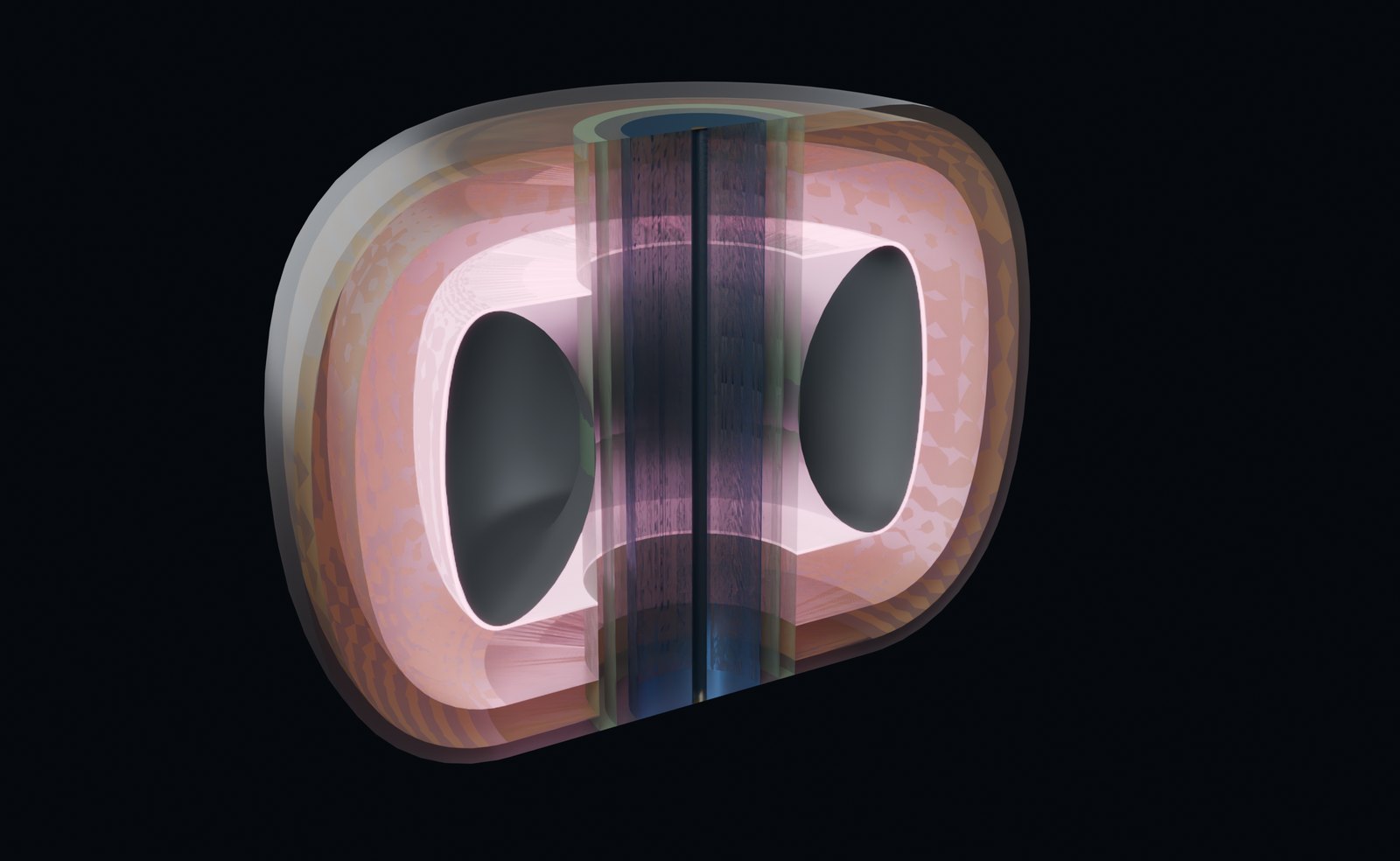
Hyperion breeder · design render
Hyperion breeder · design render · © 2026 KFE

What if the burner's plug requirement can't be met?
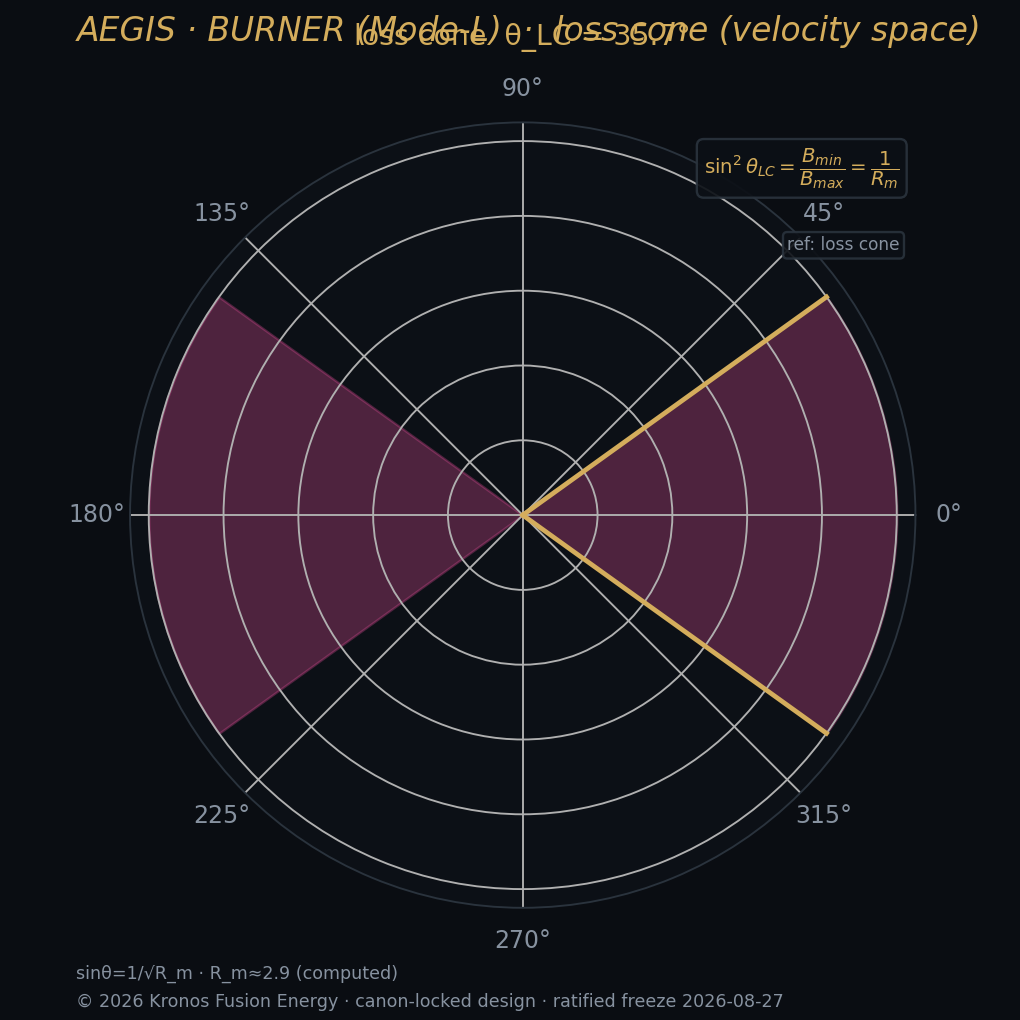
Loss cone in velocity space — the tandem-mirror stability driver.
Loss cone in velocity space — the tandem-mirror stability driver. canon 2026-08-27 · © 2026 KFE

Then the burner does not close as a net-power machine — which is exactly why Kronos labels it requirement-class.

Questions & Honest AnswersUpdated 2026-08-11
What if the burner's plug requirement can't be met?

If a plug demonstration cannot reach the required density ratio (~16), the burner does not close as a net-electric machine at the design point. Kronos is explicit about this: the burner's net power is requirement-class, a target to be demonstrated. The breeder's value — fuel, neutrons, isotopes — does not depend on it.

Stating the failure mode openly is part of the honesty framework.

← PreviousWhat happens if something fails mid-operation?Next →What is a tandem mirror?