Competitive Landscape
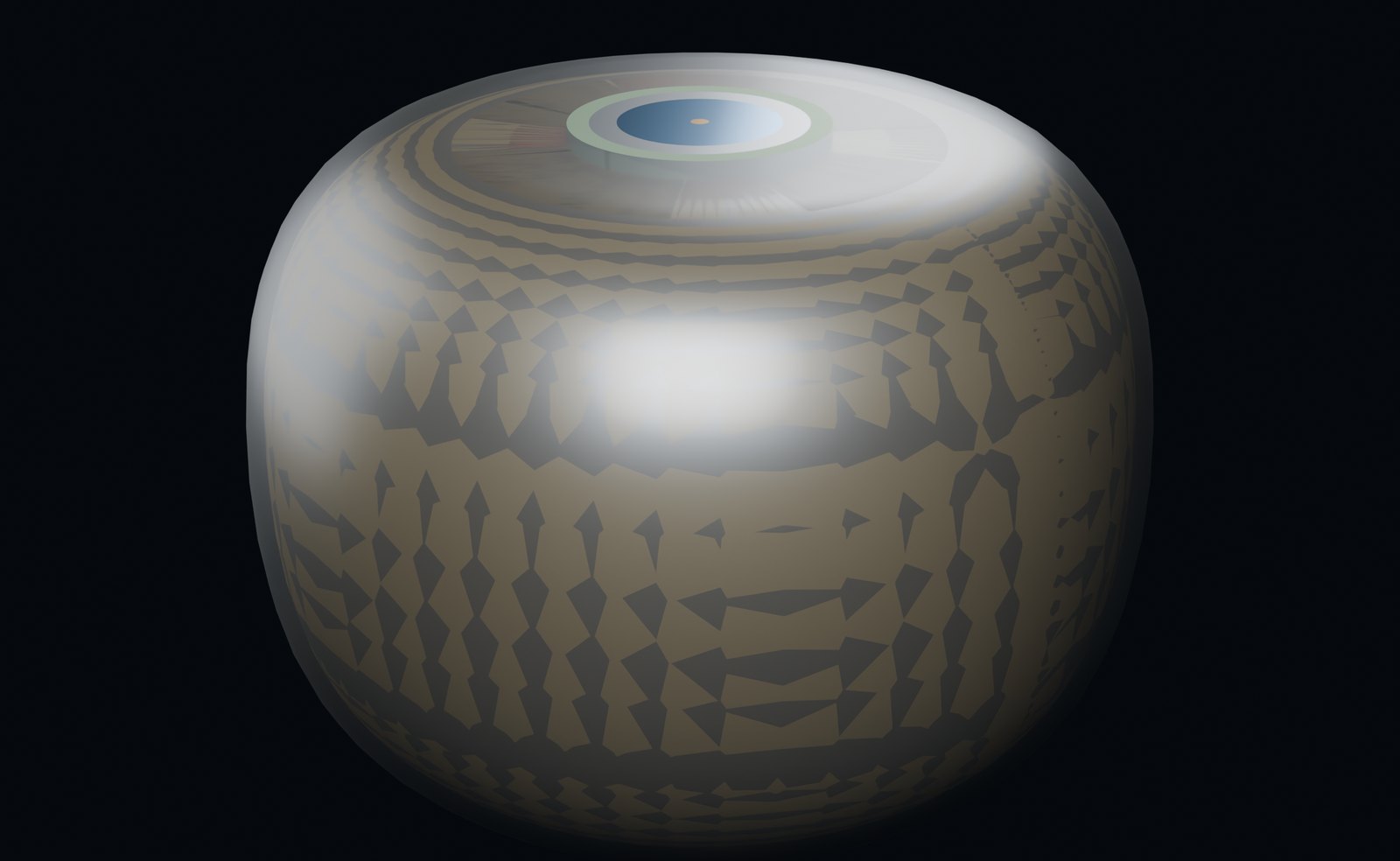
Confinement Approaches Compared
Magnetic (tokamak, stellarator, mirror), inertial, and hybrid — the main routes to fusion.
- Magnetic
- Tokamak · stellarator · mirror
- Inertial
- Pulsed compression
The routes to fusion divide first by how the fuel is held: magnetic confinement (tokamaks, stellarators, mirrors) holds a steady plasma in a magnetic bottle; inertial confinement compresses fuel pellets in fast pulses; hybrid and alternative concepts explore the space between. Each implies very different engineering.
Kronos uses magnetic confinement in two forms — a spherical tokamak for the breeder and a tandem mirror for the burner — choosing each geometry for the job it does.
Common questions
What are the main fusion approaches?
Magnetic confinement (tokamaks, stellarators, mirrors), inertial confinement (lasers), and hybrids. Kronos uses two magnetic forms: a spherical tokamak and a tandem mirror.