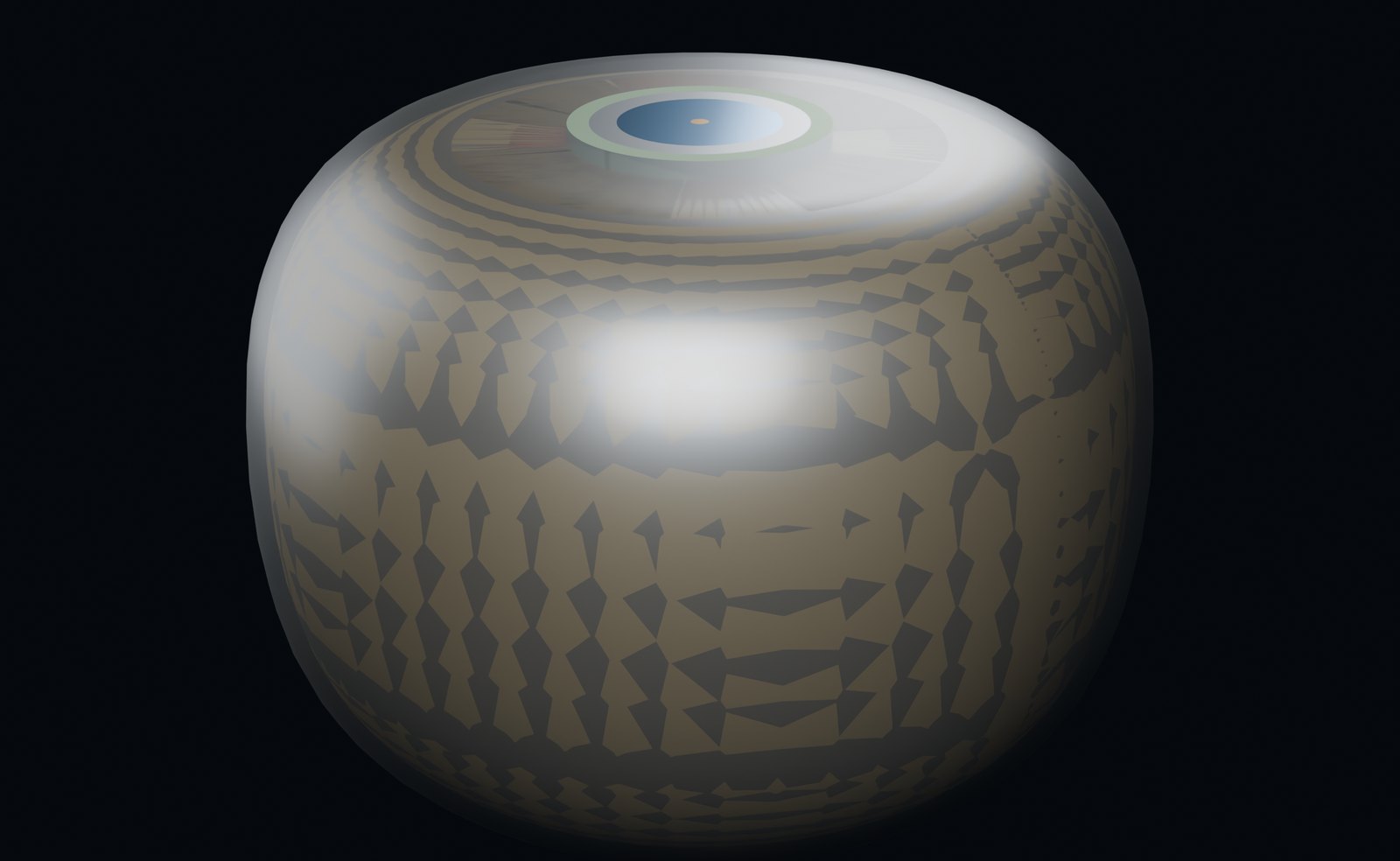
Reduced-Order Modelling
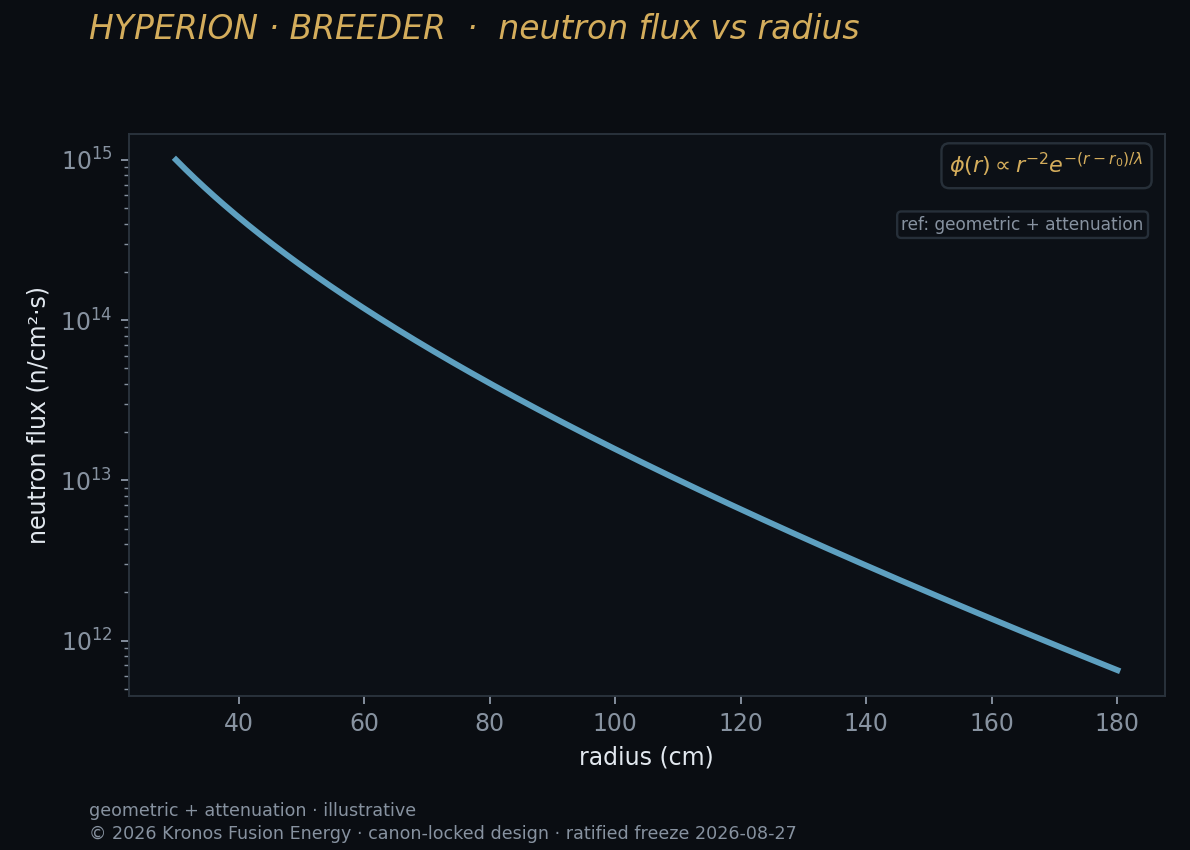
Fast, physics-based models that scan the design space and reproduce the frozen point — the engines behind every number.
Kronos's deposited engines are reduced-order models: fast, transparent, physics-based calculators that capture the essential balances without the cost of full simulation. They are what make large design-space scans and open reproduction practical, and they run live in the public model's in-browser solver.
Where a claim needs high-fidelity FEA, CFD or neutronics, Kronos says so rather than over-reading the reduced-order result.
Kronos's deposited engines are reduced-order models — fast, transparent, physics-based calculators that capture the essential balances without the cost of full simulation. They are what make large design-space scans and open reproduction practical, and they run live in the public browser solver; where a claim needs full FEA, CFD or neutronics, Kronos says so.
Common questions
A fast, transparent, physics-based calculator that captures the essential balances of a system without the cost of full simulation. Kronos's deposited engines are reduced-order models.
Where a claim needs full structural FEA, thermal-hydraulic CFD or Monte-Carlo neutronics. Kronos names those as detailed-design work rather than presenting scoping estimates as high-fidelity results.