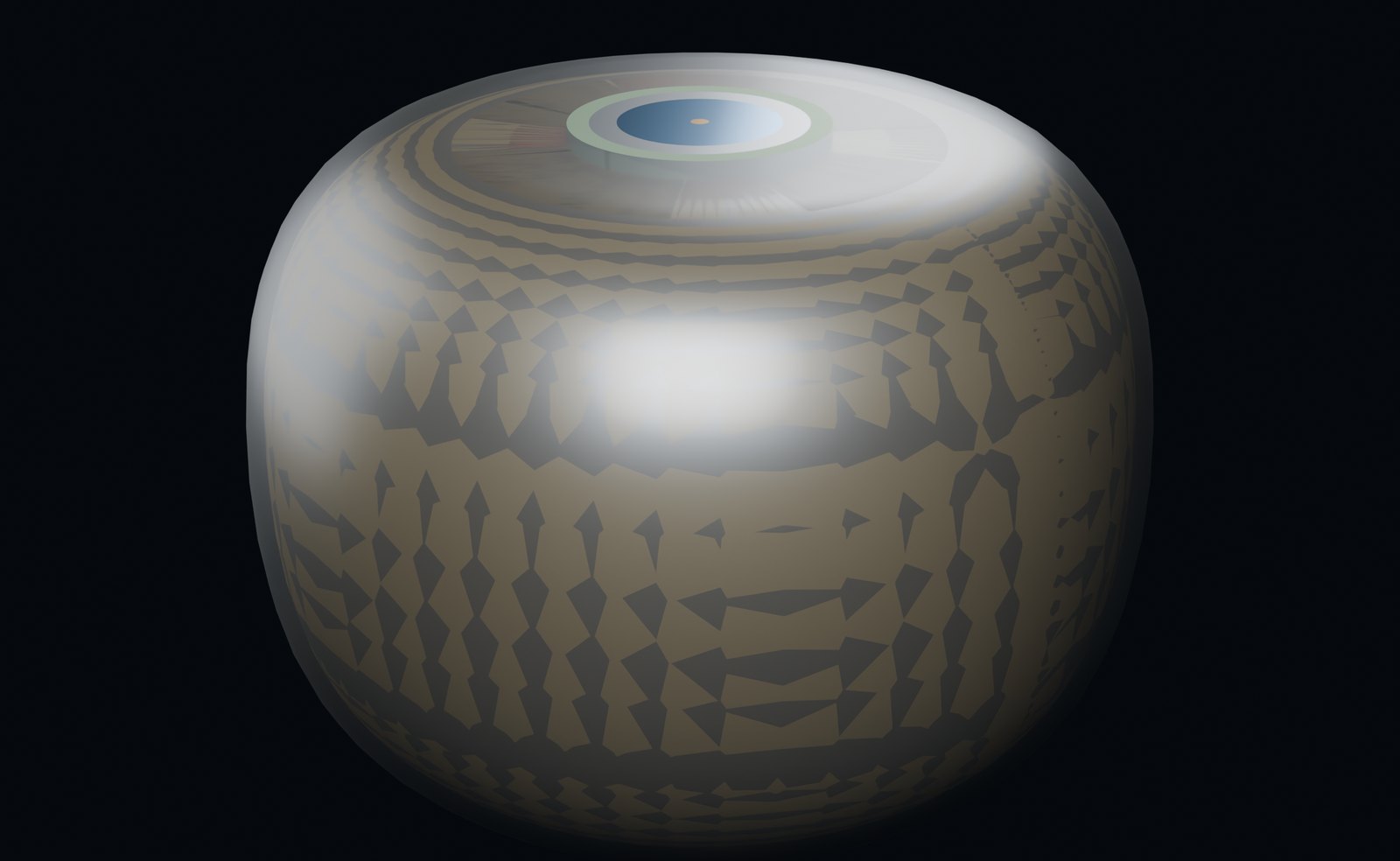
Plasma Pressure and Power Density
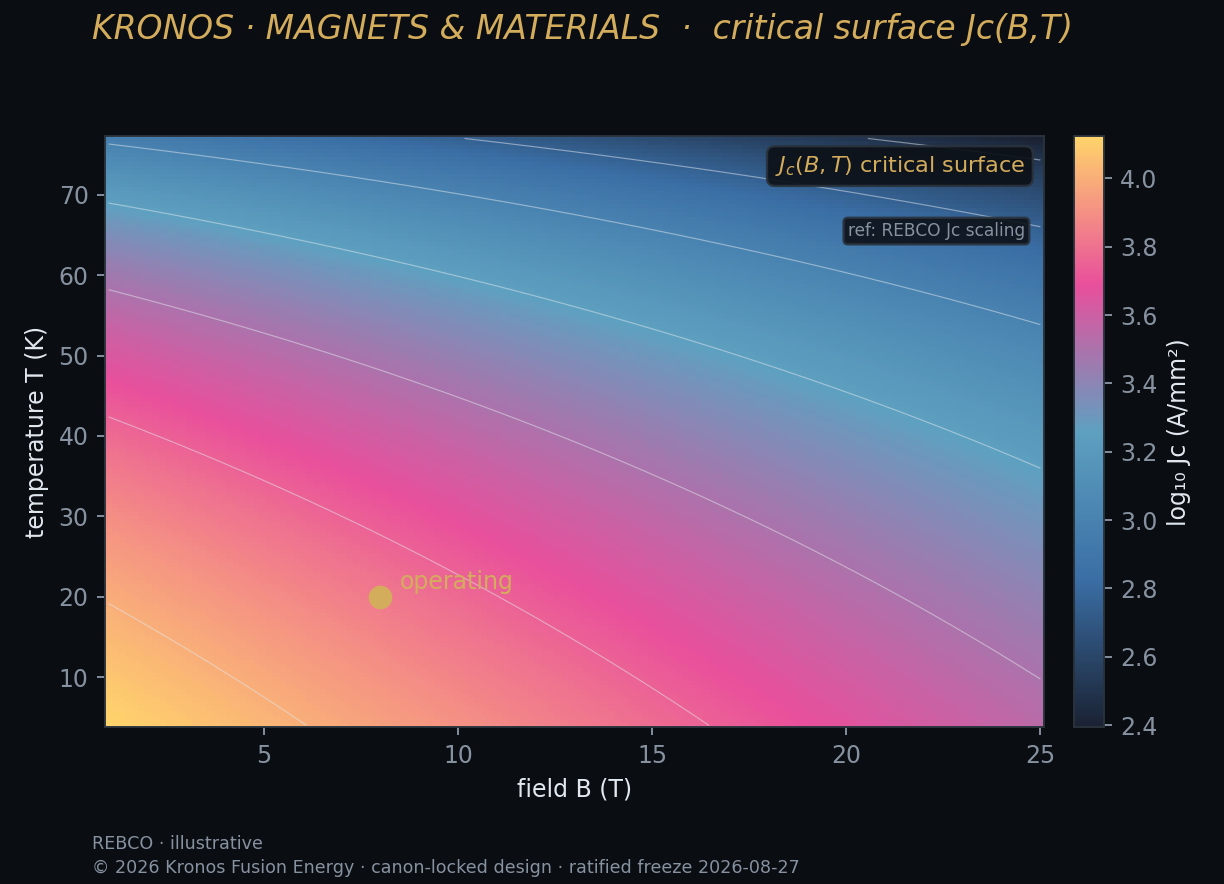
How much fusion power a machine makes per cubic metre — and why high beta and high field maximise it.
- Peak field
- 16.84 T
- Beta-N
- 1.532
Fusion power density rises with the square of plasma pressure, so holding more pressure in less volume is the route to a compact machine. Pressure is limited by beta (a fraction of magnetic pressure), so both high field and high beta raise power density. HYPERION combines a strong field (16.84 T peak) with high beta (βN = 1.532) at low aspect ratio.
Common questions
Pressure — the product of density and temperature. Fusion power scales roughly with pressure squared, and how much pressure a magnet can hold is measured by beta. HYPERION runs at βN = 1.532.
More plasma pressure per tesla of field means a cheaper machine for a given output. Kronos's low-aspect-ratio breeder is chosen partly because spherical tokamaks naturally reach high beta.