Process & Methodology
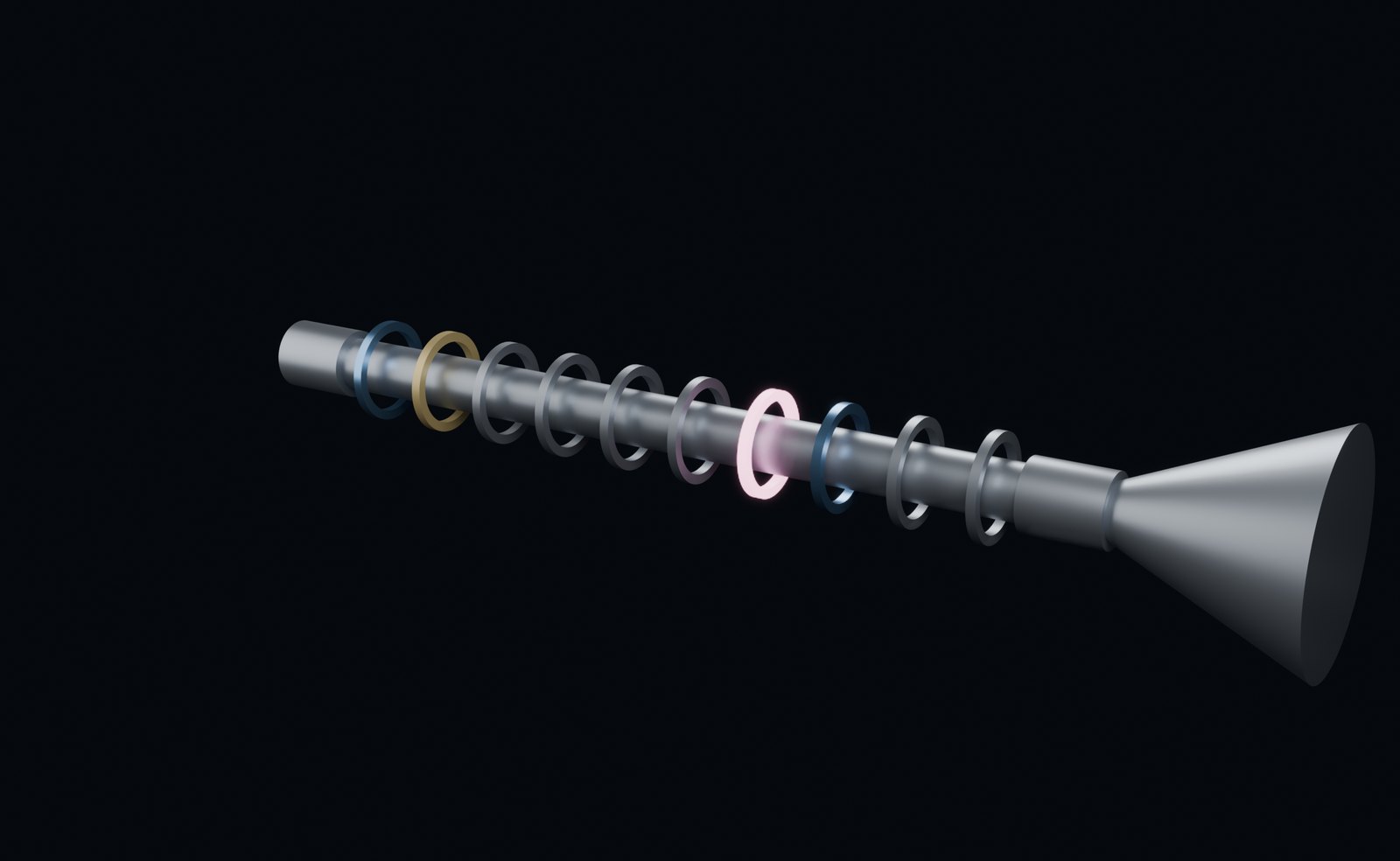
From Model to Shadow to Digital Twin
Today's model is a design instrument; tomorrow's is a mirror of a running machine. Kronos is explicit about the difference.
Kronos frames three stages of fidelity. The model is today's interactive, physics-grounded design instrument. A shadow would run alongside early hardware, fed by test data. A digital twin would mirror an operating machine in real time. The public 3D model is honest that it is stage one.
Not yet a twinThe interactive model is a schematic design tool. Calling it a 'digital twin' before hardware exists would overstate it — so Kronos does not.
Common questions
What is the model-to-shadow-to-twin progression?
A design model becomes a shadow that tracks a real machine's data, and finally a digital twin kept in step with the operating plant — increasing fidelity as hardware comes online.
Where is Kronos on that path?
At the reproducible design-model stage, with the open engines and interactive simulator — the twin comes as real machines are built and instrumented.