Operations & Commissioning
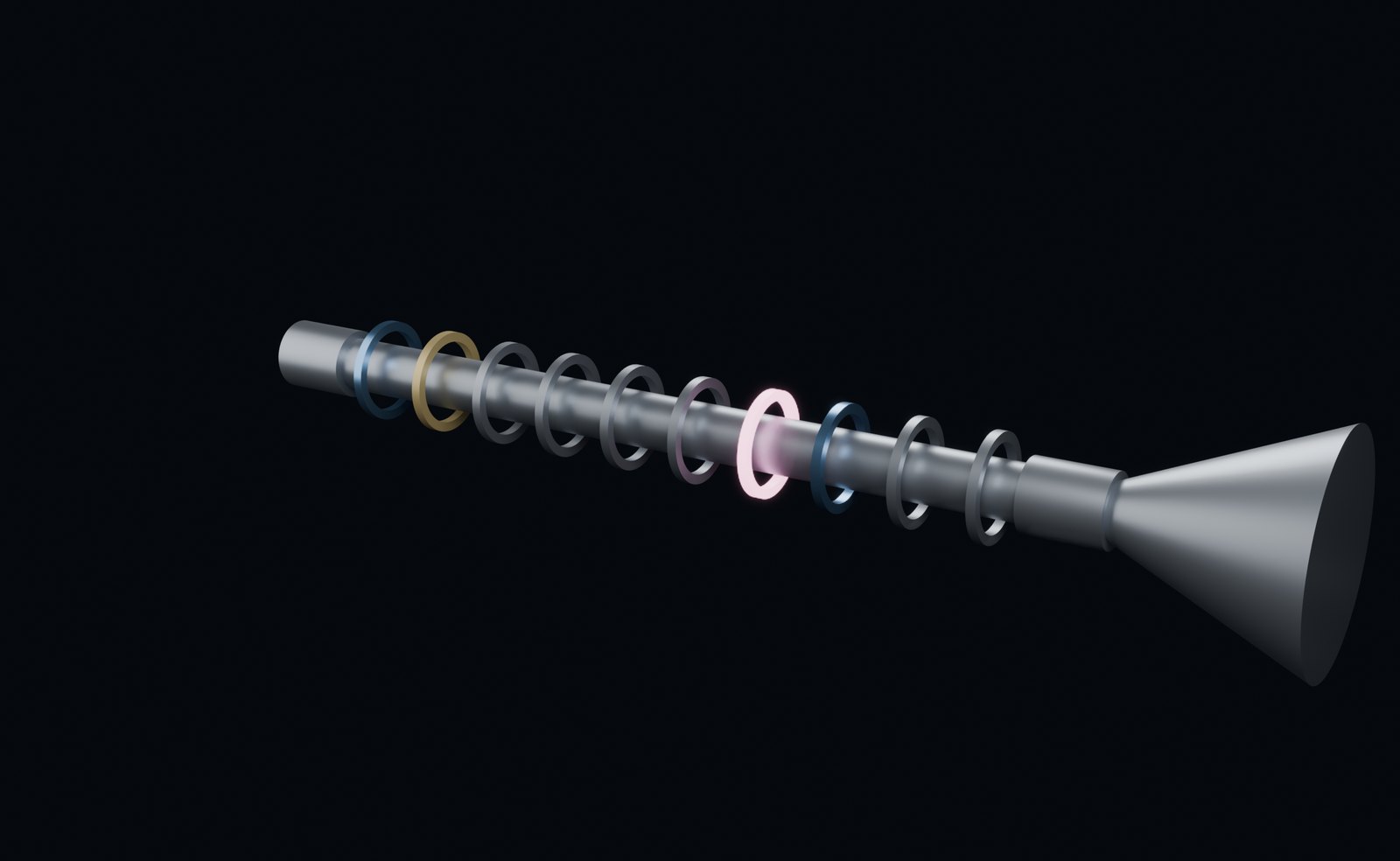
Magnet Commissioning
Energising the superconducting magnets to full field for the first time.
- Milestone
- Full field held + quench validated
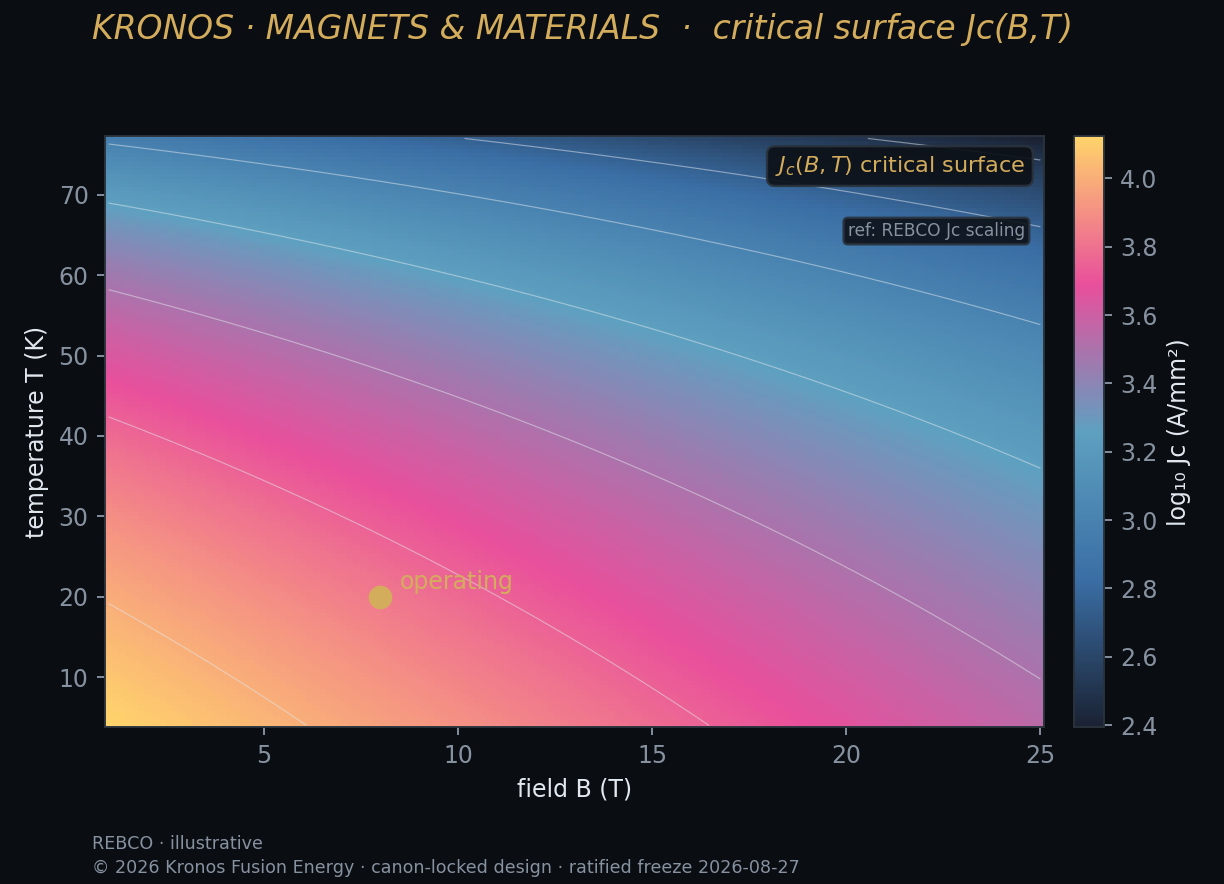
Magnet commissioning ramps the coils to full field in careful steps, validating quench detection and the energy-dump system along the way. Confirming the magnets hold 16.84 T safely, and quench-protect as designed, is a critical gate before plasma operation.
It is where the magnet technology meets reality.
Common questions
What happens during magnet commissioning?
The superconducting coils are energised in steps to full field, with quench detection and protection verified at each level, confirming the magnets and their protection behave as designed.
Is this where the fatigue gate is tested?
Commissioning proves the magnets to full field; the separate cyclic-fatigue gate — many energise cycles — is demonstrated on a dedicated powered test coil.