Safety & Environment
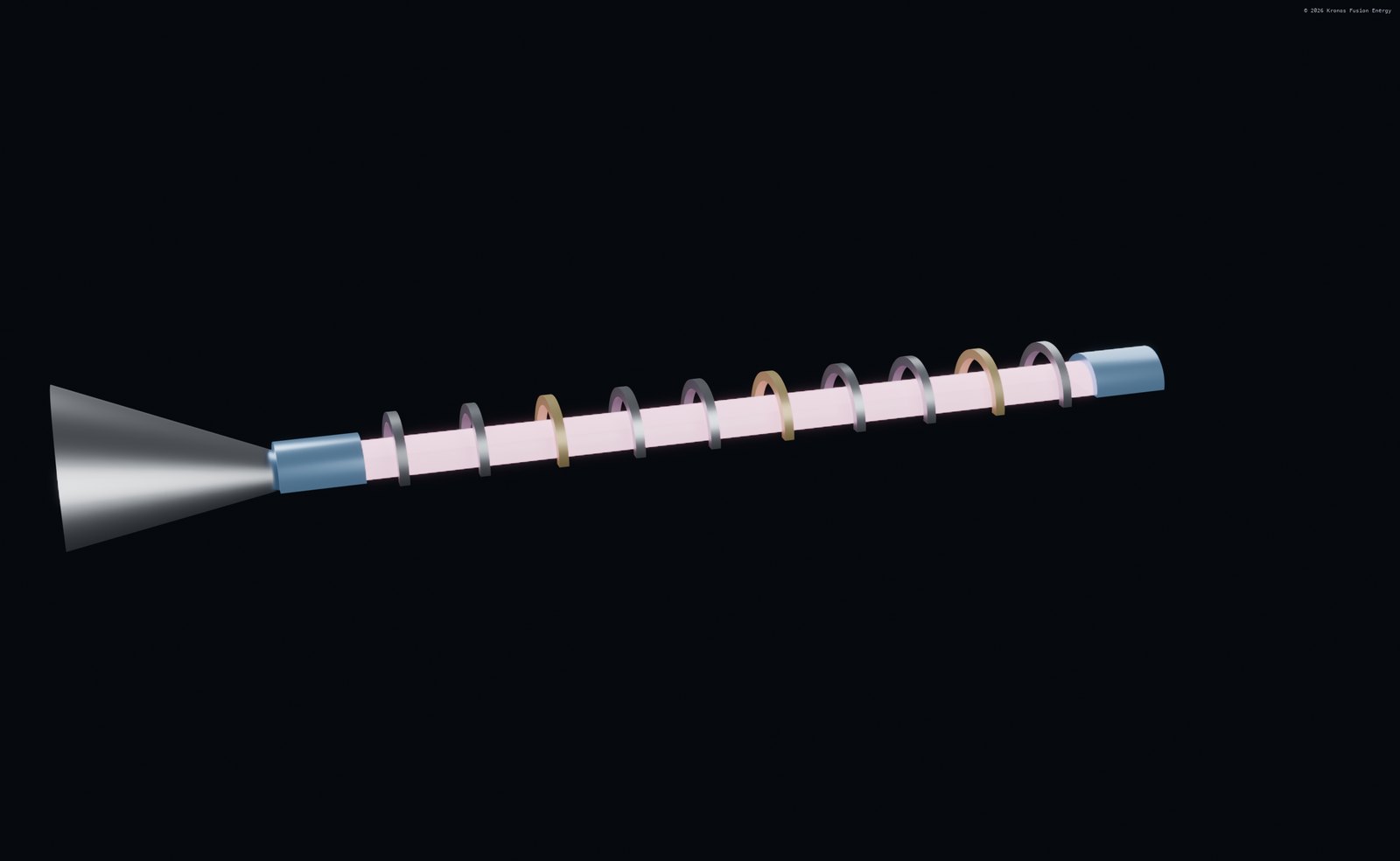
Fusion and Land Use
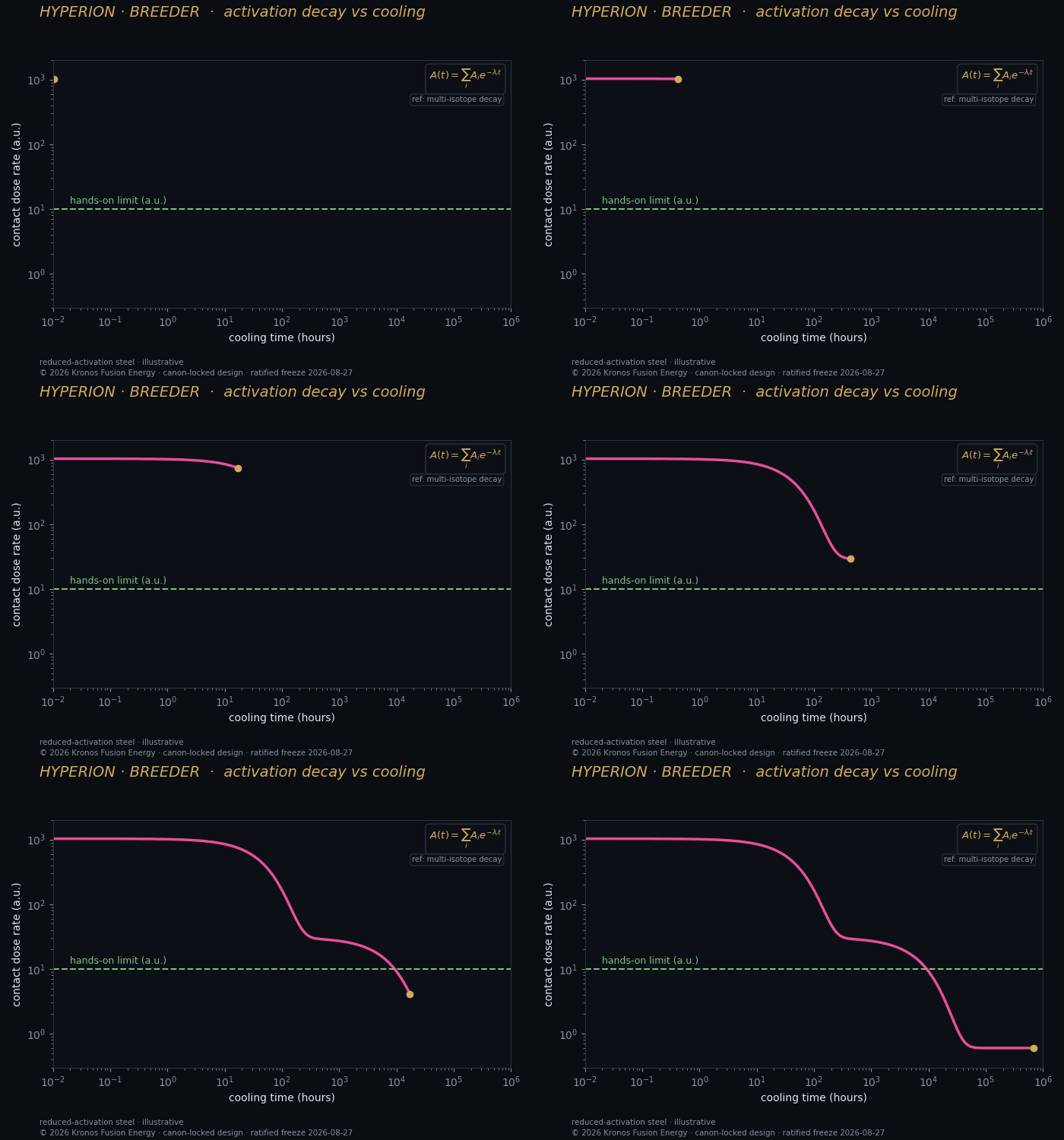
A compact fusion plant packs a great deal of firm power into a small footprint.
- Character
- Compact, high-density
- Siting
- Point-of-use (burner)
High-field, compact machines generate large, firm power from a small site, with none of the land intensity of intermittent sources. The burner's point-of-use, low-neutron character further eases siting near demand.
Not yet builtFootprint figures are design-stage estimates for machines that do not yet exist.
Common questions
How much land does a fusion plant need?
Very little for its energy output — the power density is high, so a plant's footprint is small compared with the equivalent capacity of intermittent renewables plus storage.
Why does compact land use matter?
Because firm power at a small footprint suits point-of-use siting near cities, industry and data centres, where land is scarce and transmission is costly.