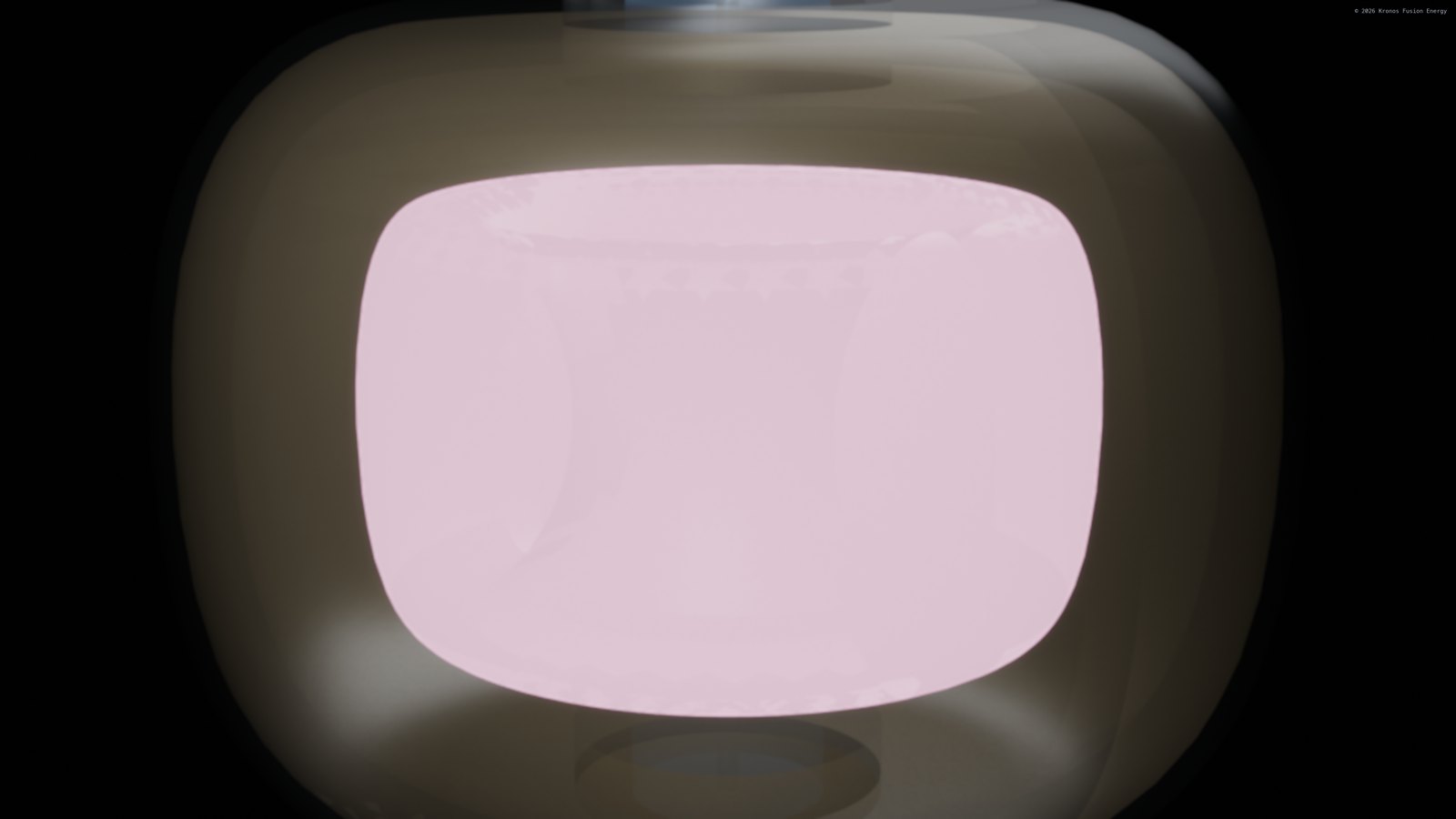
The Two-Machine Architecture
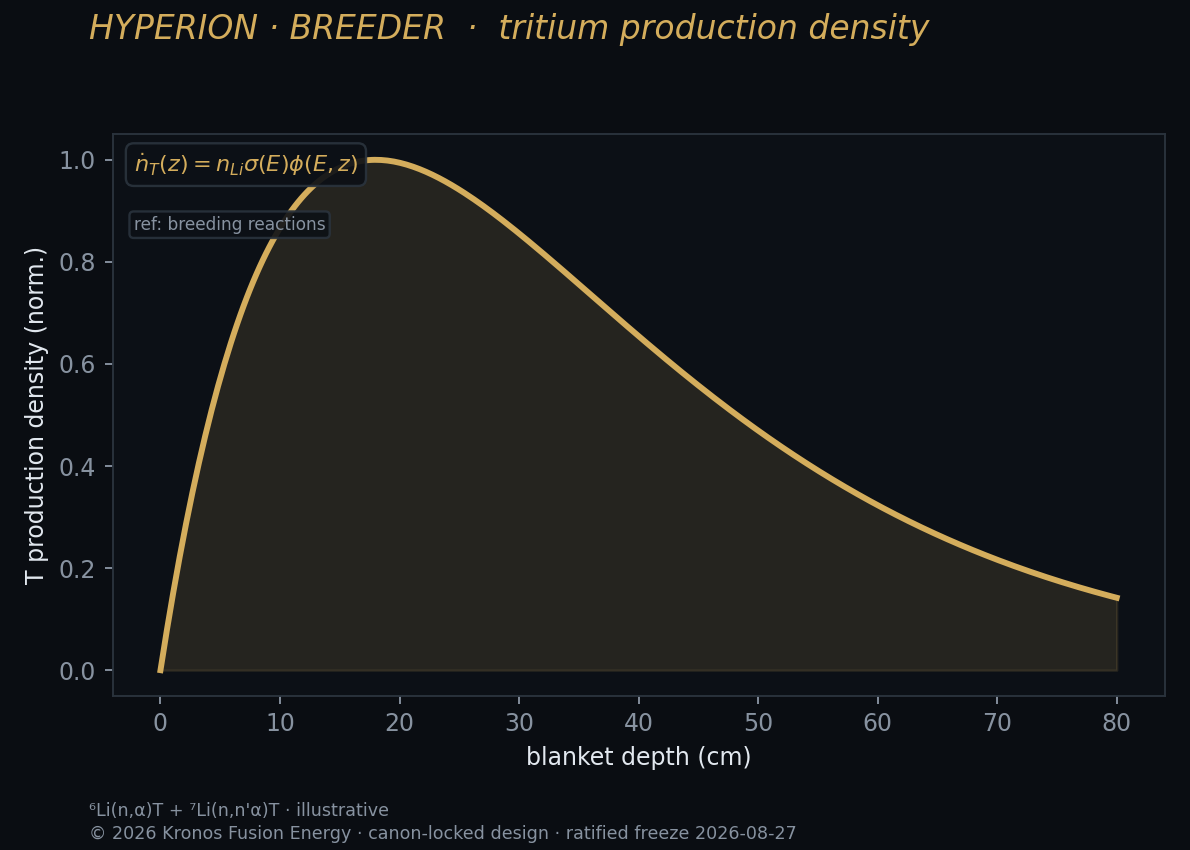
One machine breeds fuel and neutrons; a second burns clean fuel for electricity. Splitting the job is the core innovation.
- Breeder
- Fuel & neutrons
- Burner
- Clean electricity
Kronos's foundational innovation is refusing to make one machine do everything. A compact D–T breeder is optimised to make tritium, neutrons and helium-3; a separate low-neutron D–³He burner is optimised to make electricity by direct conversion. Each machine is simpler and better-suited to its job than a single do-it-all reactor.
The principle — 'fuel follows purpose, not platform' — reshapes both the physics and the business model.
Common questions
Because fuel should follow purpose. A breeder optimised for neutrons and tritium, plus a burner optimised for clean electricity, is simpler and better-suited than one do-it-all reactor — and lets materials revenue precede net electricity.