Honesty as a Moat
Stating every caveat on the same page as every claim — turning candour into credibility.
- Principle
- Caveats with claims
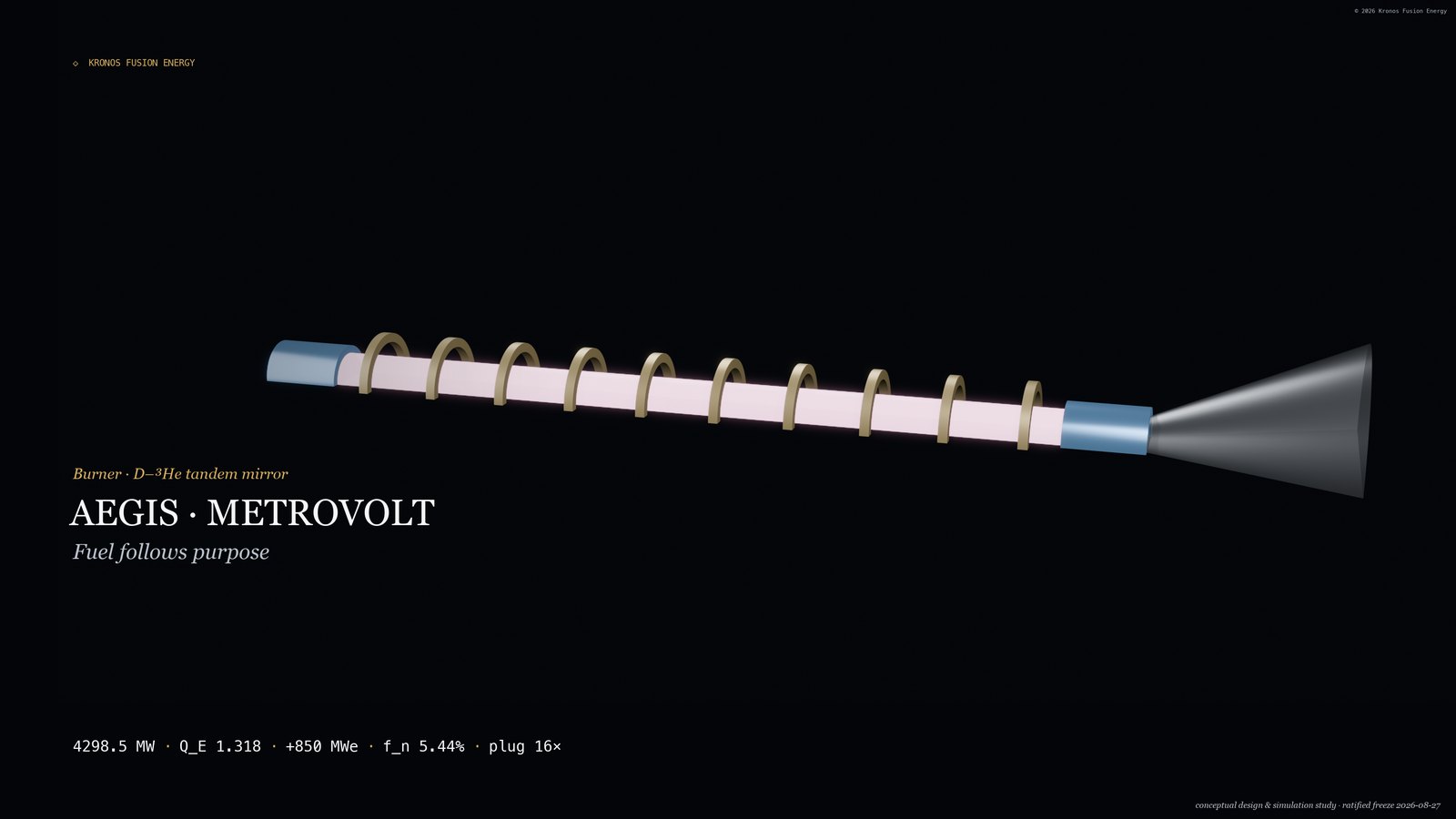
Kronos's most unusual innovation may be cultural: low-neutron is never called aneutronic; burner net power is labelled requirement-class; the machines are stated to be unbuilt; economics stay off public technical pages. Diligence finds caveats anyway, so stating them first converts honesty into trust — a durable advantage.
It is a deliberate framework, not a disclaimer bolted on at the end.
Common questions
By stating gates, caveats and open items plainly — low-neutron not aneutronic, requirement-class net power, not-yet-built — Kronos builds trust that overclaiming competitors erode. Credibility compounds; hype decays.
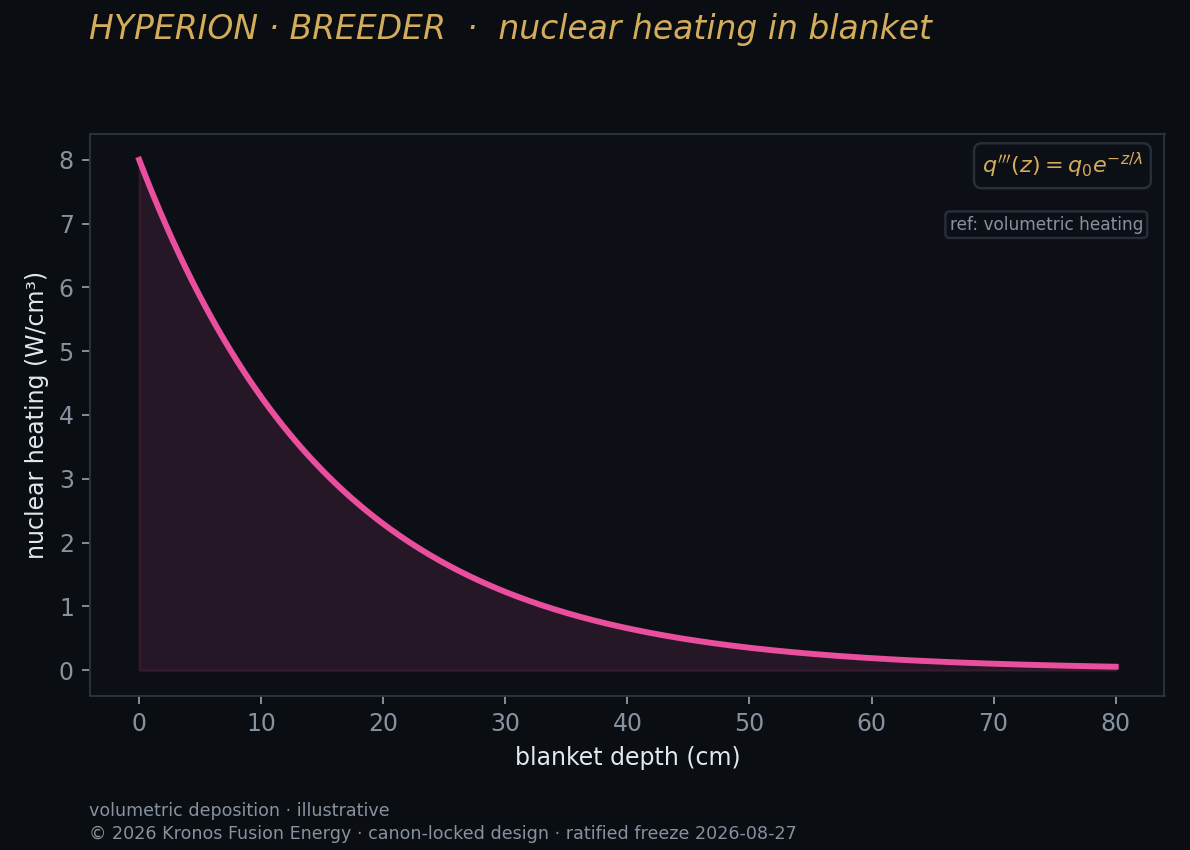
No — it means the strong parts are believable. HYPERION's Q = 3.076 and the open deposits stand precisely because Kronos is candid about what is not yet demonstrated.