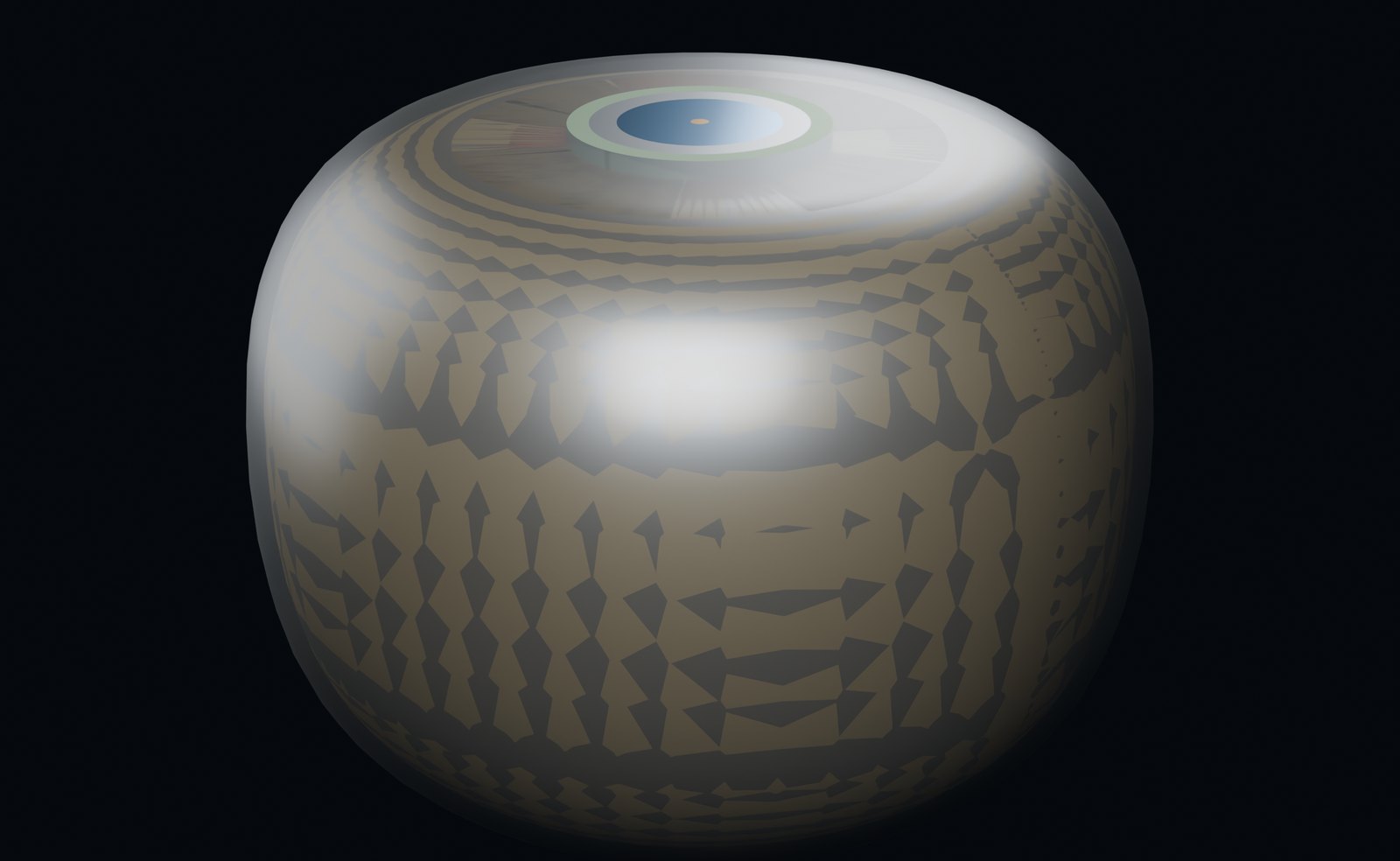
Ignition vs Driven Operation
Much of fusion's mystique attaches to ignition. Kronos deliberately does not chase it, and explains why a driven machine is the more controllable, more honest engineering choice.
- Breeder
- Driven, Q = 3.076
- Burner
- Driven, Q_E = 1.31
- Ignition claimed?
- No — by design
In an igniting plasma, fusion self-heating alone keeps the fuel hot with no external input — Q → ∞. In a driven plasma, external heating runs continuously and the machine produces a steady multiple of that input. Both can be net-energy-positive; they differ in control and risk.
Why Kronos chooses driven
- Control. A driven plasma is steered by its heating systems — turn the input down and the plasma responds. An igniting burn must be controlled by other means.
- Honesty. Quoting a finite Q with its heating power stated is a complete, checkable claim; 'ignition' invites over-reading.
- Fit to the fuel. The D–³He burner runs hot (90 keV) and is inherently a driven system; the breeder's Q = 3.076 is comfortably net-positive without needing self-sustainment.
An igniting plasma sustains itself; a driven one is continuously heated and produces a steady multiple of that input. Kronos chooses driven operation on purpose — HYPERION at Q = 3.076, the burner at QE = 1.31 — because a driven machine is steerable by its heating and its finite gain is a complete, checkable claim rather than an over-readable 'ignition'.
Common questions
No — it is more controllable. A driven plasma responds when you turn the heating down; both can be net-positive. Kronos chooses driven operation deliberately.