A Short History of Fusion Energy
From 1950s tokamaks and mirrors to today's compact, high-field machines.
Fusion research began in earnest in the 1950s, splitting early into toroidal devices (the Soviet tokamak, stellarators) and open-ended magnetic mirrors. Tokamaks came to dominate after demonstrating superior confinement, and the field spent decades building ever-larger machines that steadily climbed the performance ladder.
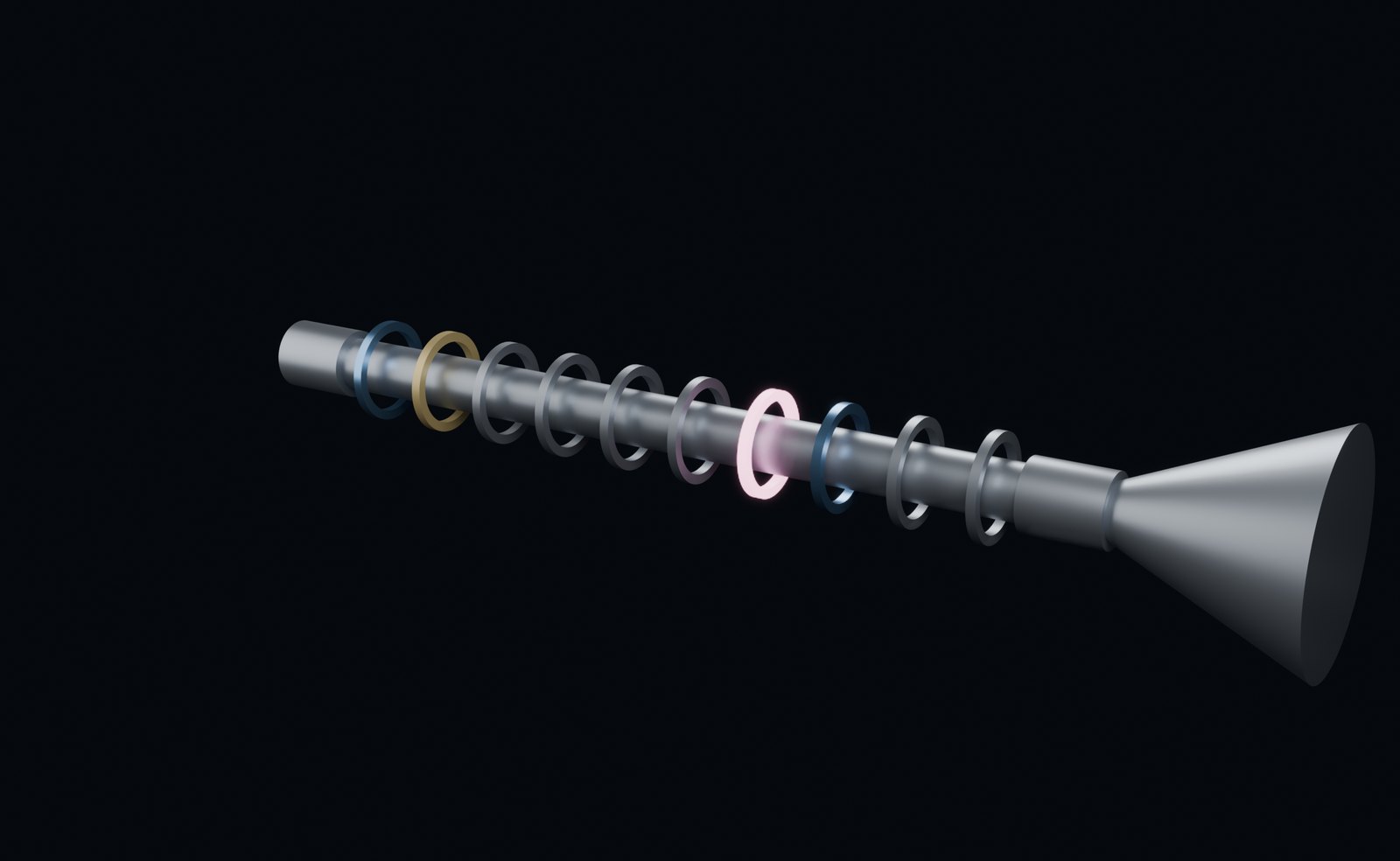
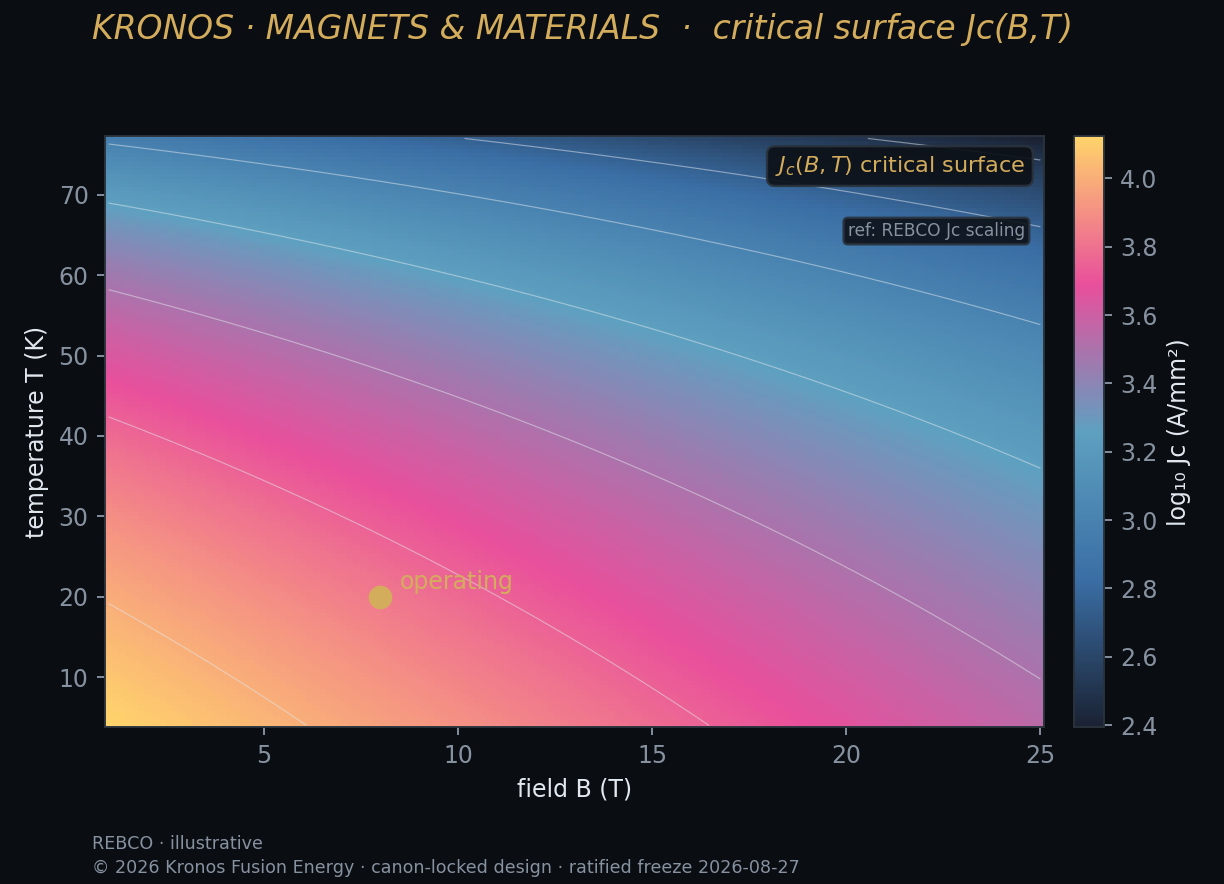
Two developments reopened the compact path: high-temperature superconductors that reach fields once impossible, and cheap computation for design and validation. Kronos's architecture draws on both lineages — the tokamak for its breeder, the mirror for its burner.
Common questions
Since the mid-20th century — decades of steady progress in confinement, heating and materials that built the experimental database today's designs rely on.
High-temperature superconductors enabling compact high-field machines, a mature physics database, and business models like Kronos's that earn before net-electric power is solved.