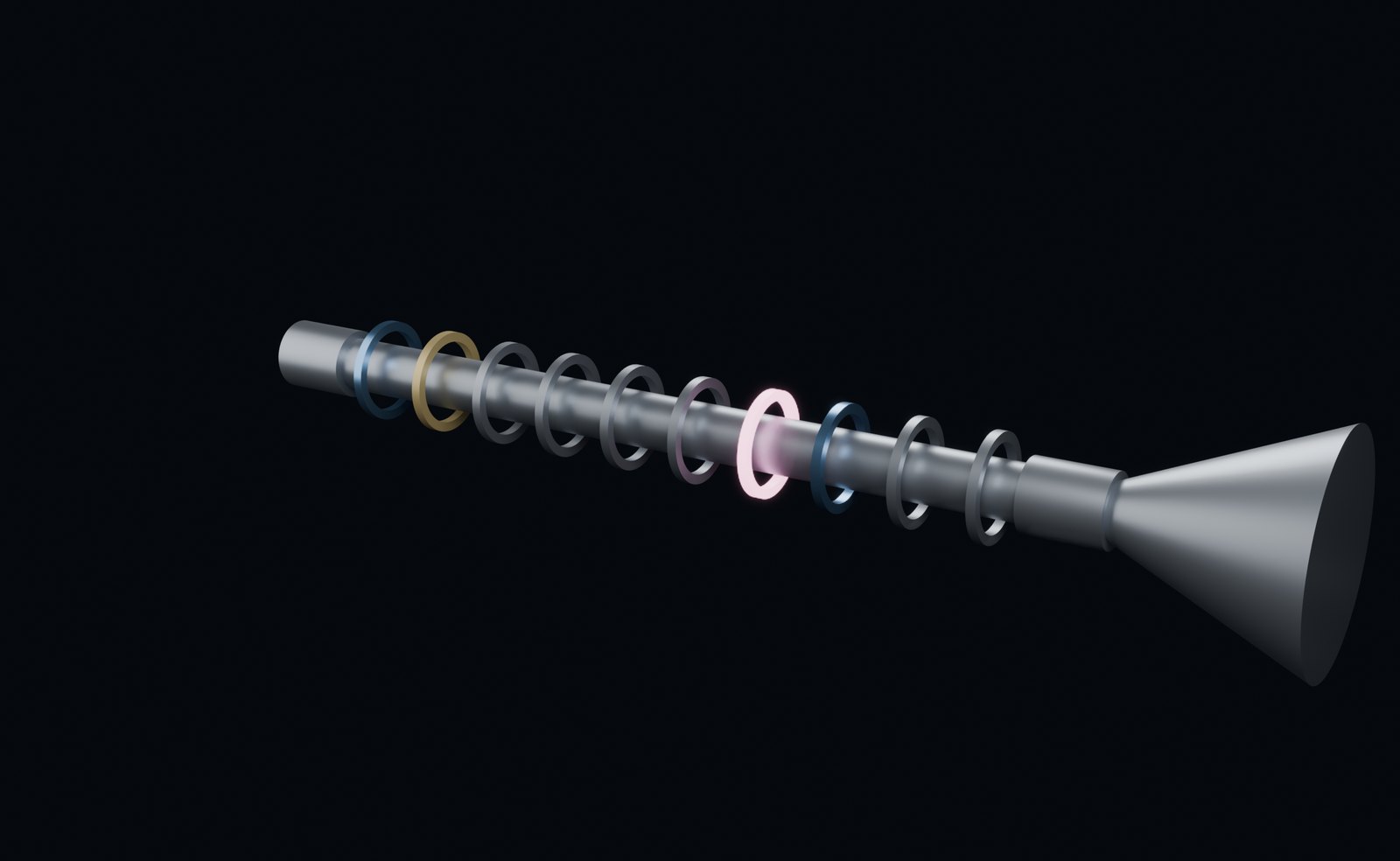
High-Fidelity Analysis
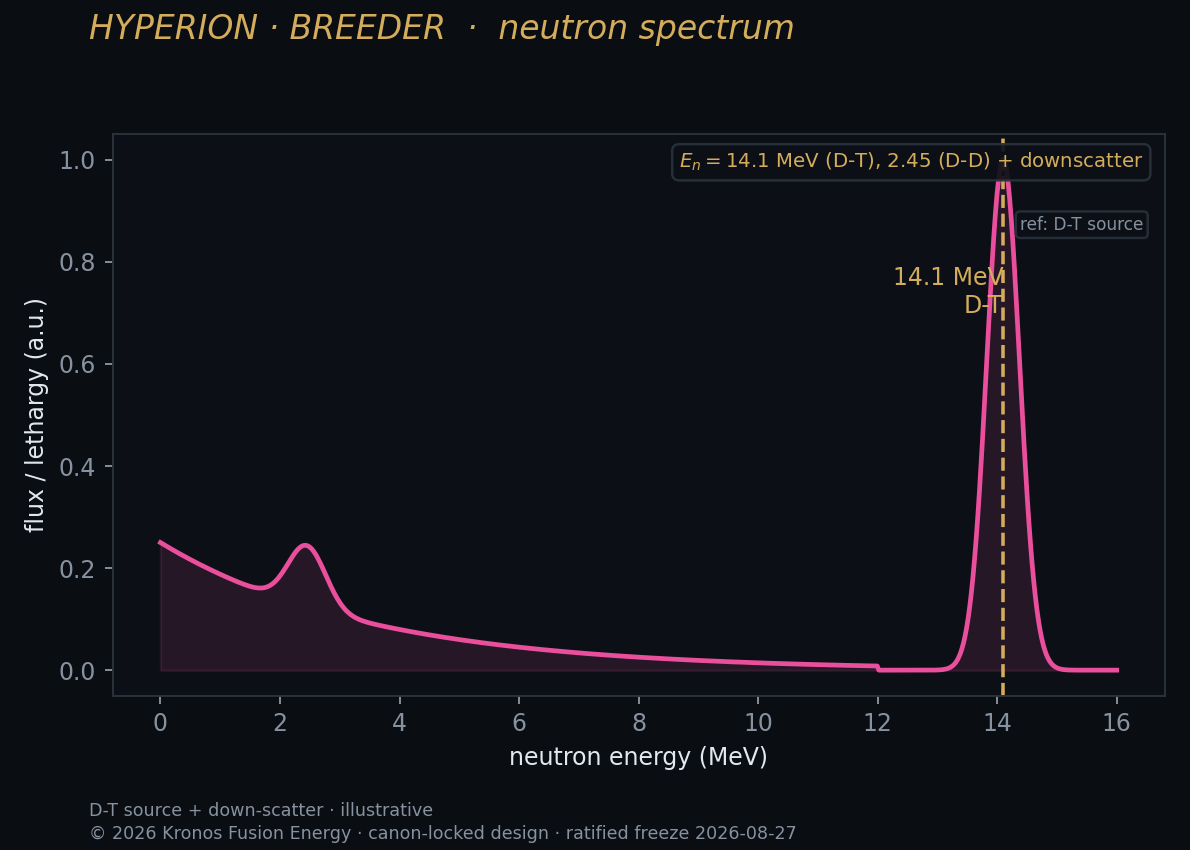
The full FEA, CFD and neutronics that must follow the reduced-order design before construction.
Beyond the reduced-order engines lies the detailed-design work: full structural and fatigue FEA, thermal-hydraulic CFD, and MCNP-class neutronics. Kronos places this on the path to build as scheduled work, not as a completed claim — the honest distinction between a design study and an engineered machine.
Beyond the reduced-order engines lies the detailed-design work: full structural and fatigue FEA, thermal-hydraulic CFD, and MCNP-class neutronics that replace scoping estimates with high-fidelity results. Kronos places this on the path to build as scheduled work, the honest distinction between a design study and an engineered machine.
Common questions
The detailed-design work beyond the scoping engines — full FEA for structure and fatigue, CFD for cooling, and MCNP-class neutronics — that replaces estimates with engineered results.
No — it is placed on the path to build as scheduled work. The honest distinction between a design study and an engineered machine is exactly this analysis.