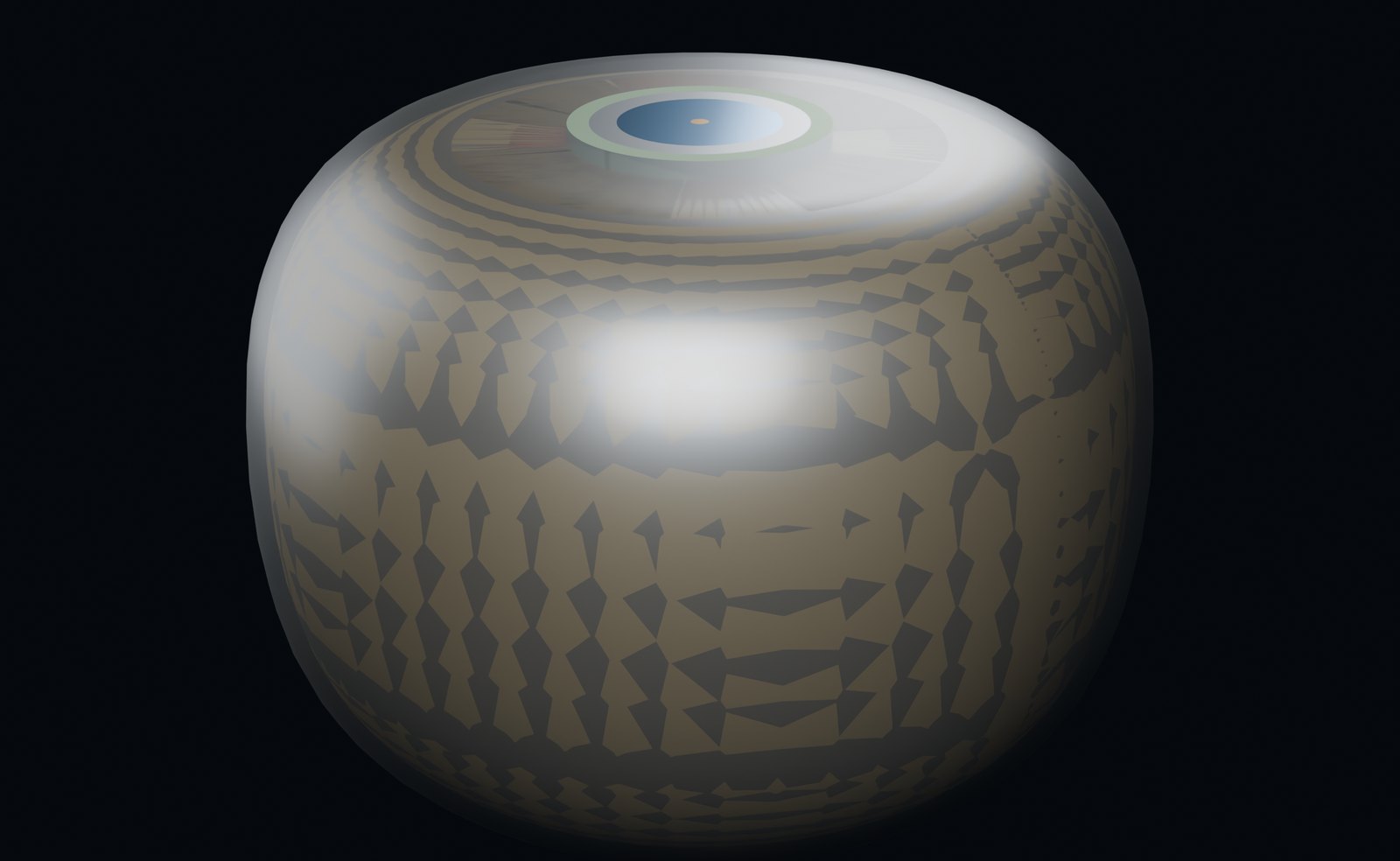
Gate Reviews (G1–G4)
Progress at Kronos is gated on evidence, not enthusiasm. G1 through G4 are the checkpoints.
- G1
- Physics design freeze — done
- Binding gates
- Confinement; plug density
The programme is structured around gate reviews: G1 (physics design freeze), then successive gates for component demonstration, an integrated prototype, and a first product. Each gate has explicit criteria that must be met before the next phase begins.
The binding gate criteria are the design's largest open items — confinement assumptions on the breeder side, and the plug-density requirement on the burner side. Naming them as gates keeps the roadmap honest.
The programme advances through evidence-based go/no-go gates — G1 physics freeze (done), then component demonstration, an integrated prototype, and a first product — each with explicit criteria. The binding criteria are the design's largest open items, and naming them as gates is what keeps the roadmap honest rather than aspirational.
Common questions
Evidence-based go/no-go reviews: G1 physics freeze (done), then component demonstration, integrated prototype, and first product. Each has explicit criteria.