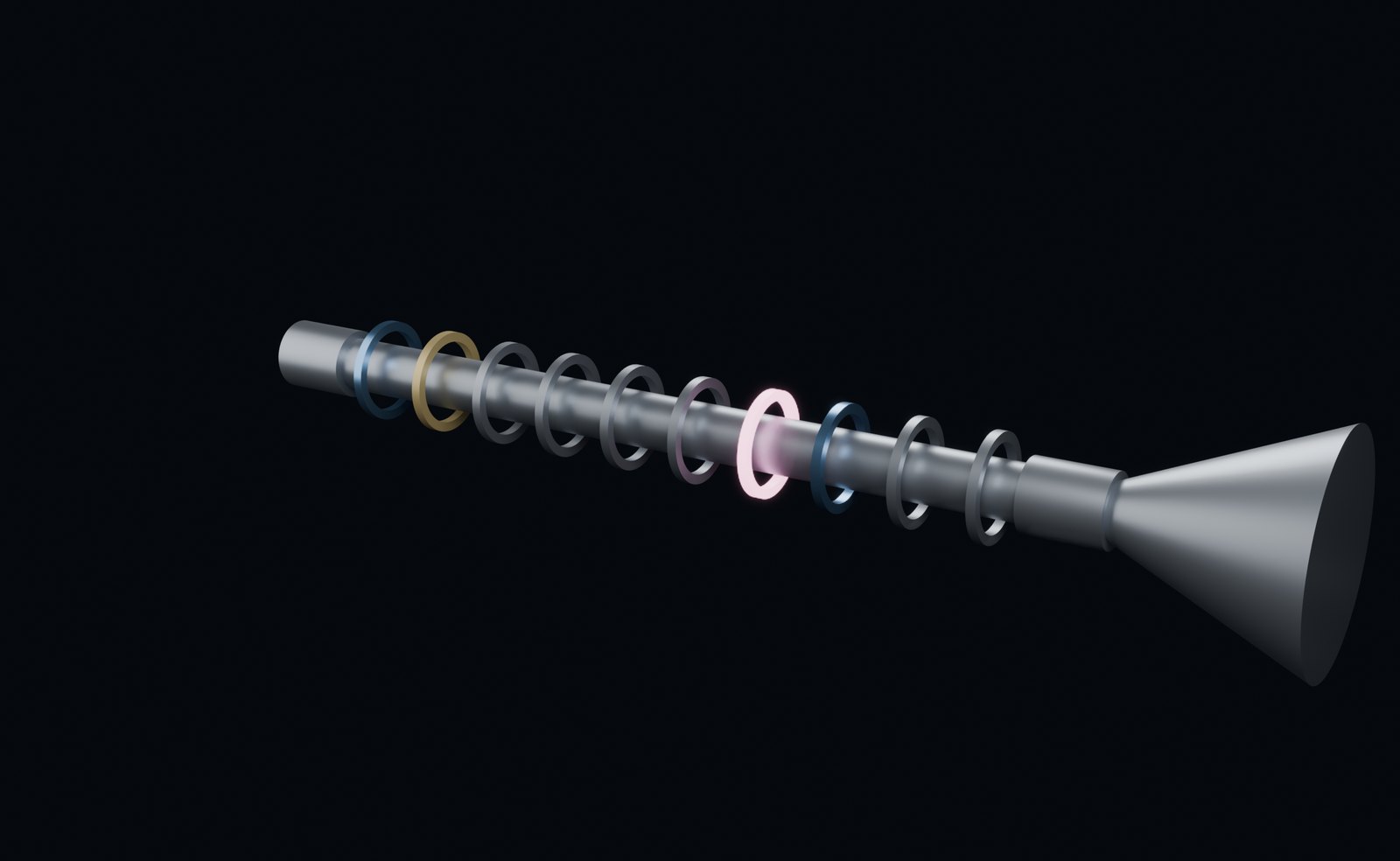
The Cryogenic System
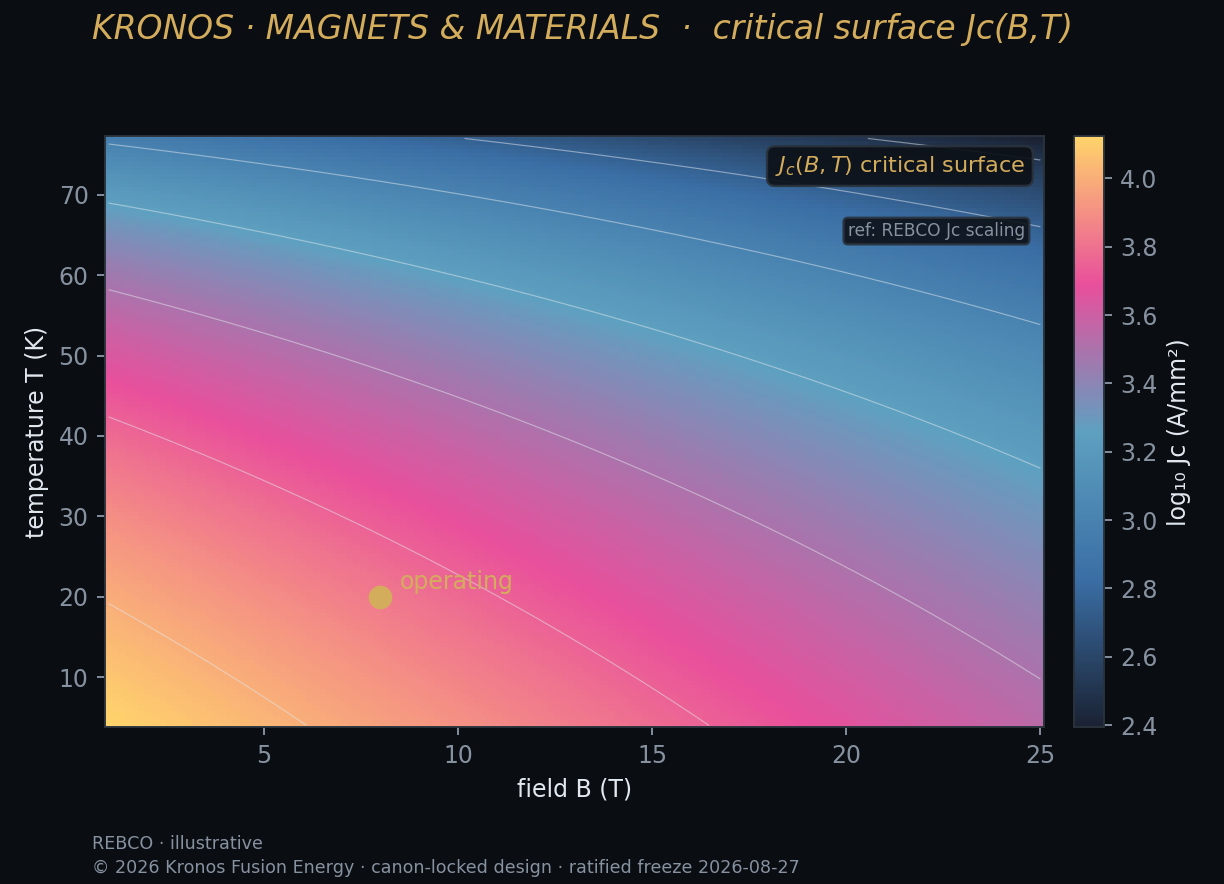
Keeping superconducting magnets cold enough to work.
- Role
- Magnet cooling
- Maturity
- Conventional big-science scope
High-temperature superconducting magnets still run at cryogenic temperatures; a helium refrigeration plant maintains the cold mass and intercepts heat loads. The cryoplant is a major, conventional balance-of-plant system with well-understood scaling.
Cryogenics is treated as a ready-for-detailed-design system in the construction-readiness review — a solved problem class rather than an open gate.
The cryoplant is large but conventional big-science engineering: a helium refrigerator removes the residual heat that leaks into the cold magnets through supports, leads, radiation and nuclear heating. Because that heat is removed at cryogenic temperature it is expensive, which is why insulation, thermal shields and minimising nuclear heating of the magnets all matter to the plant's efficiency.
Common questions
A helium refrigerator removes the residual heat leaking into the cold magnets through supports, leads, radiation and nuclear heating, keeping the superconductor at operating temperature.
No — large helium refrigeration is mature big-science and industrial engineering, classed in Kronos's review as ready for detailed design.