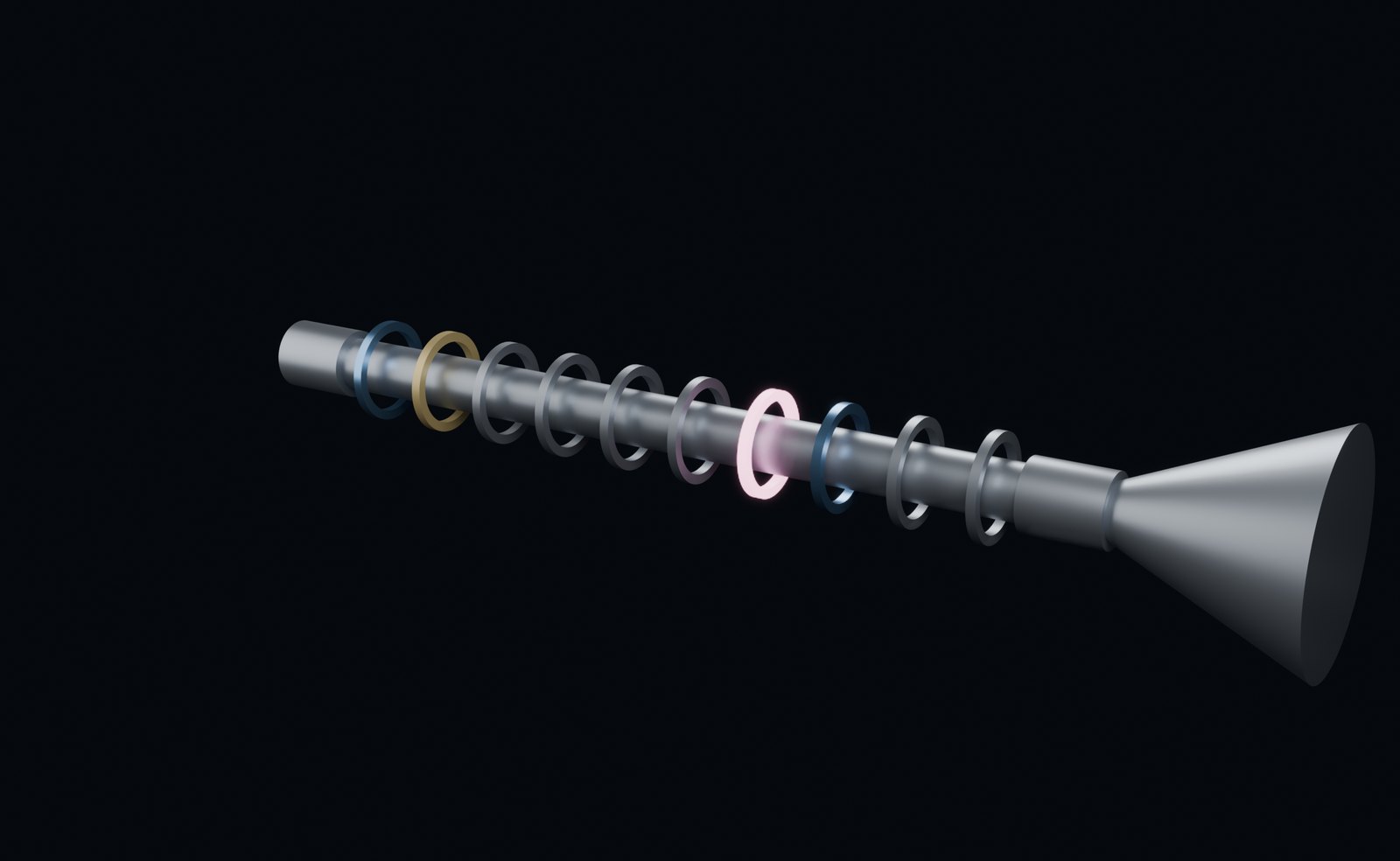
Can Fusion Power a Data Centre?
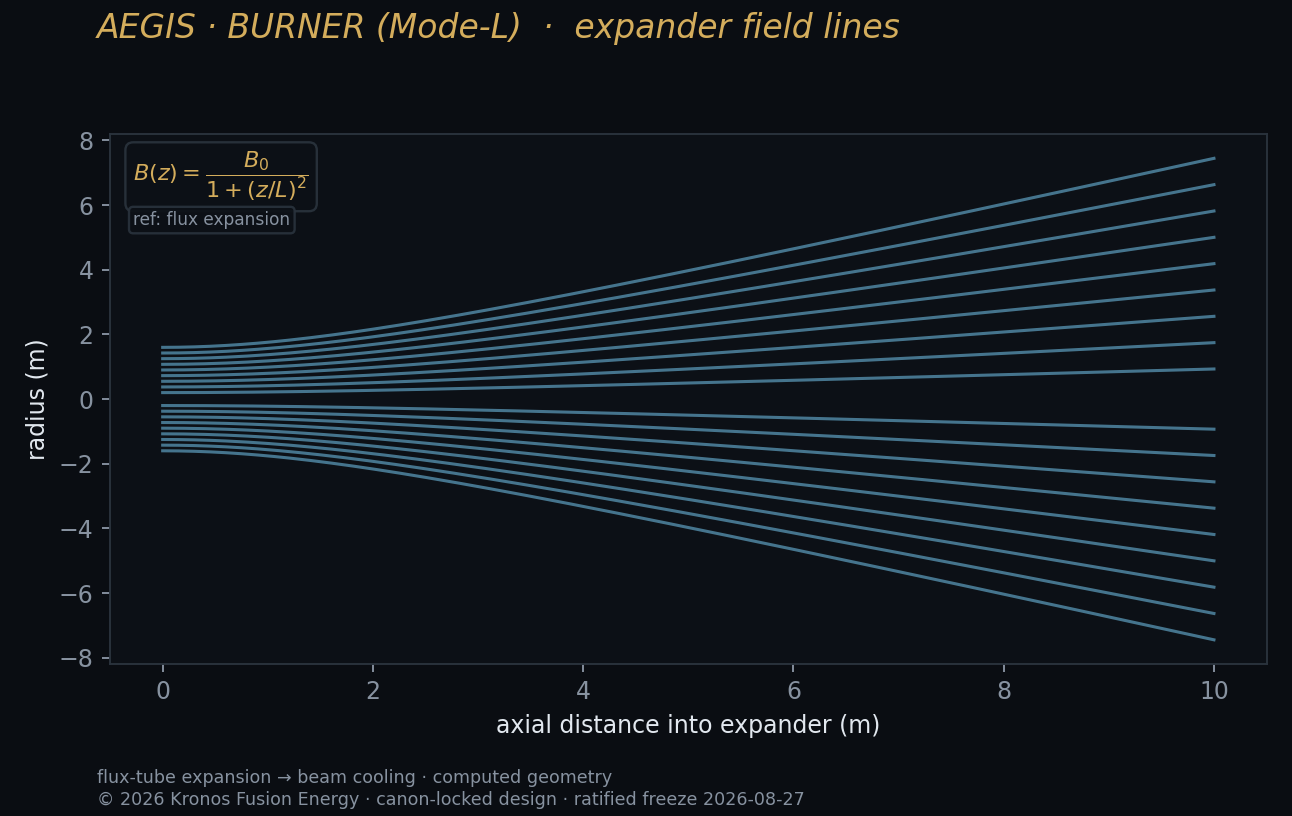
Why the low-neutron burner is a natural fit for hyperscale, point-of-use power.
- Housing
- 1400 m
- Net power
- +2832 MWe
Data centres need large, firm, clean power close to load. The MetroVolt burner housing (1400 m, +2832 MWe net, 13.678 GW class) targets exactly this: low-neutron D–³He fusion with direct conversion that can, in principle, site nearer to demand than a neutron-heavy plant.
As with all Kronos figures, this is a computed design target with its gates stated openly.
Common questions
That is exactly the burner's target — firm, clean, point-of-use power for hyperscale load. The MetroVolt housing is sized in the 13.678 GW class, matching large data-centre demand.
Because they need firm, round-the-clock power that renewables alone struggle to guarantee, and the burner's low neutron fraction could in principle allow siting nearer to load than a neutron-heavy plant.