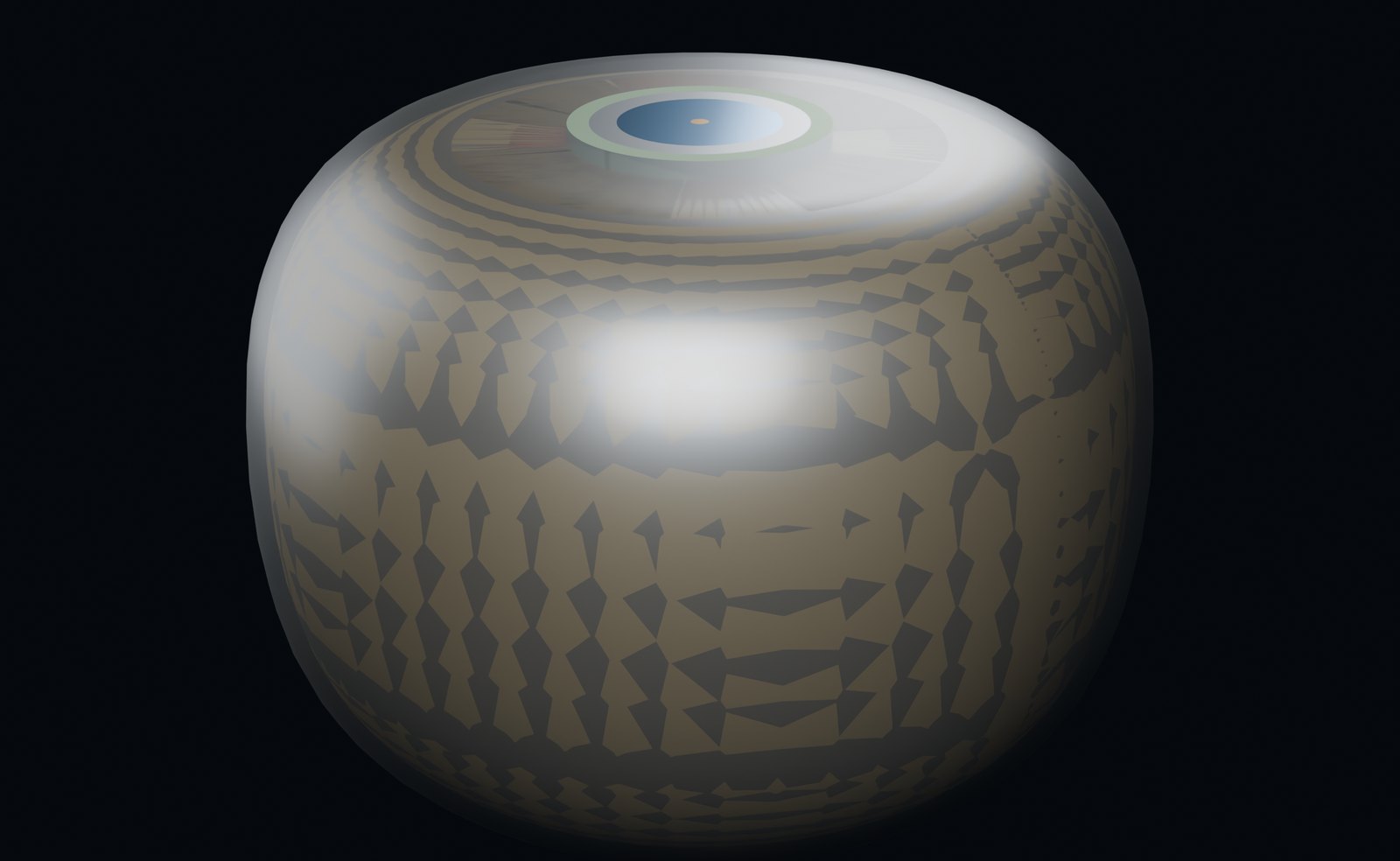
Ambipolar Confinement Physics
How an electrostatic potential confines a tandem mirror's ions.
- Mechanism
- Electrostatic ion confinement
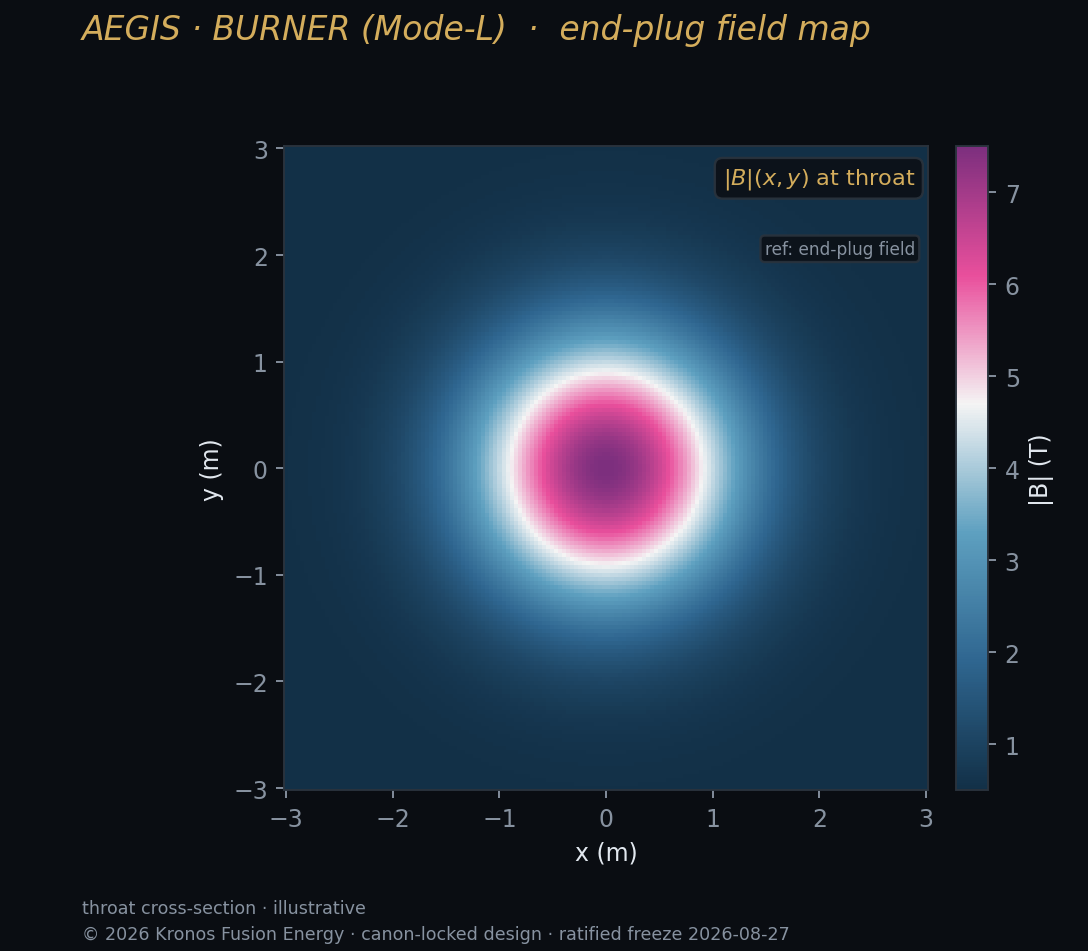
Because electrons escape a mirror faster than ions, a positive potential builds that then confines the ions electrostatically — ambipolar confinement. In a tandem mirror, dense end plugs deepen this potential deliberately, requiring a plug-to-central density ratio near 16 to confine the central-cell ions.
It is the physical mechanism at the heart of the Kronos burner.
Common questions
An electrostatic potential, set up by the plasma's own tendency to stay quasineutral, holds the ions in the burner's central cell. Building a deep enough potential is what plugs the mirror's ends.
The potential depth depends on the plug reaching a density about 16 times the central cell. That plug-density requirement is the burner's single most important open condition, which Kronos names openly.