Learn › Questions people ask
Question
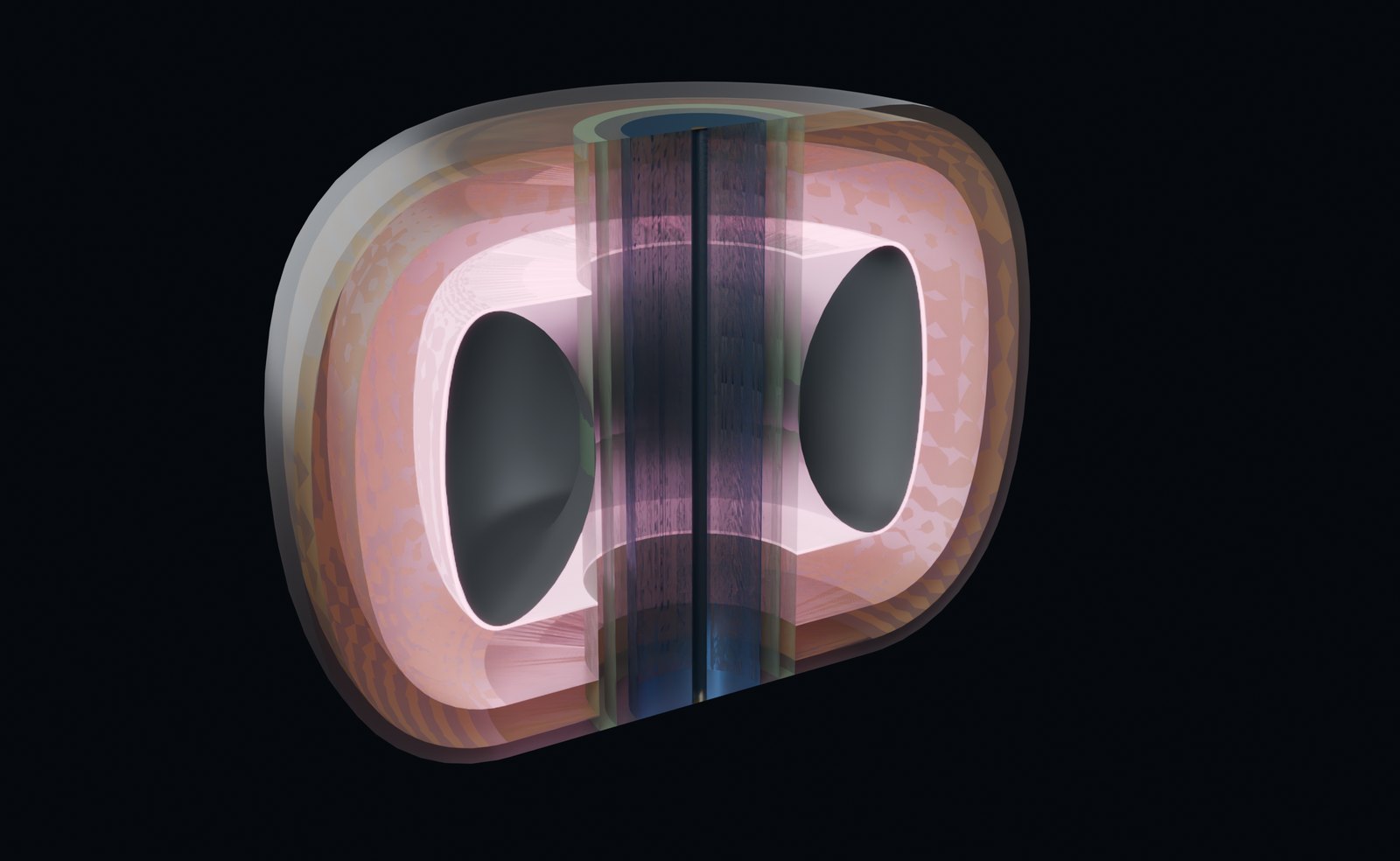
What does it cost to run a fusion plant?
Operating costs are low and stable: the fuel is cheap and abundant, there's no fuel-price volatility, and a low-neutron design avoids frequent component changeouts.
Cheap, stable fuel plus high availability underpin the economics — see LCOE, capacity factor, and fuel abundance.
Questions & answers
What are the running costs of a fusion plant?
Much of a fusion plant's cost is upfront capital; operating costs are comparatively low and, importantly, stable. The fuel — deuterium from seawater, plus bred helium-3 — is cheap and effectively unlimited, so there's no exposure to volatile fuel markets. Operations, maintenance, and financing make up most of the ongoing cost.
How does the low-neutron design help operating cost?
A great deal. With no breeding blanket to replace and a first wall that lasts the full plant life, Kronos avoids the frequent, downtime-heavy component changeouts that burden D–T plants — supporting a high capacity factor and lower lifetime cost.
How does this show up in the price of power?
In the LCOE ladder, first-of-a-kind cost falls substantially toward fleet scale. Stable fuel and high availability are part of why the cost is projected to fall and hold.